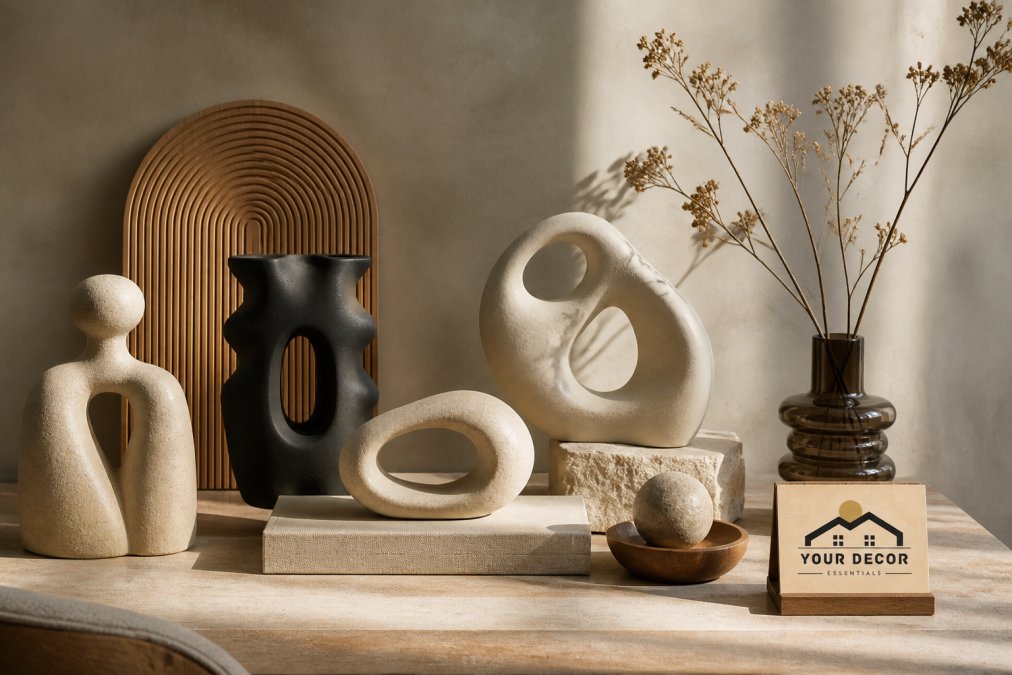
 listicle
Buy Handcrafted Abstract Home Accents: A 2026 Guide
Table of Contents
- Why Handcrafted Abstract Home Accents Transform Your Space
- Ceramic and Sculptural Pieces: Artisan-Made Designs
- Modern Resin and Acrylic Sculptures for Contemporary Spaces
- Natural Wood and Mixed-Material Statement Pieces
- Minimalist and Dynamic Designs for Shelves and Tables
- How to Style Abstract Sculptures in Your Living Room
- Styling Abstract Resin Accents in Modern Interiors
- Modern Abstract Home Decor Trends for 2026
- Maintenance and Care for Textured Art and Sculptures
- What Makes Handcrafted Pieces Worth the Investment
- Frequently Asked Questions
Last Updated: August 31, 2026
Why Handcrafted Abstract Home Accents Transform Your Space
When you walk into a room, what catches your eye first? Most people say it's the unexpected, a piece that breaks the visual rhythm and makes them pause. That's exactly what handcrafted abstract home accents do. They're not background noise. They're conversation starters, mood shifters, and the difference between a space that feels generic and one that feels intentional.
At Your Decor Essentials, we invite you to explore a curated selection of unique home decor. Handcrafted abstract home accents introduce visual texture where flat walls and predictable furniture leave gaps. A sculptural resin piece on a shelf, a wooden statement sculpture anchoring a corner, or a ceramic object catching afternoon light, these elements transform how a room feels without requiring a complete redesign.
The real appeal of handcrafted pieces goes beyond aesthetics. When something is made by hand, it carries intention. No two pieces are identical. The variations in glaze, the slight asymmetries in form, the way light plays differently across each surface, these aren't flaws. They're evidence of the maker's process. That authenticity registers, even if viewers can't articulate why a handcrafted sculpture feels different from a mass-produced replica.
Below, we'll walk you through how to style them, and why they're worth the investment for anyone serious about creating a space that reflects their taste.
Ceramic and Sculptural Pieces: Artisan-Made Designs
Ceramic sculptures have a particular power in interior design. They're tactile, people want to touch them. The glazing creates depth, the hand-painted details catch light differently depending on the angle, and the material itself feels substantial in a way that plastic or cheap resin never does.
The Elysia Ceramic Abstract Decorative Object exemplifies this approach. It's handcrafted from stoneware with an open-circle design that creates visual flow. The textured surface and hand-painted details mean each piece has its own character. What works here: the sculptural form reads as modern without feeling cold, and the neutral palette integrates into almost any color scheme. The main consideration is that ceramic is fragile, it's a display piece, not something for high-traffic areas or homes with young children. Best suited for tabletops, shelves, or entryways where it becomes a focal point rather than background decor.
The Krahn Encircled Reader Iron Figurine takes a different approach. This handcrafted iron piece depicts an abstract figure reading, offering personality and narrative where pure abstraction might feel impersonal. Iron is durable, it won't chip or crack, and the open design creates visual lightness despite the material's weight. This works particularly well for book lovers or in home offices where it becomes more than decoration; it becomes a statement about what matters. The smaller footprint makes it easy to integrate into existing shelf arrangements without overwhelming the space.
Modern Resin and Acrylic Sculptures for Contemporary Spaces
Resin and acrylic offer different possibilities than ceramic. They're lighter, more translucent, and they interact with light in ways that create movement and depth. A resin sculpture catches the light differently as you move through the room, which means it stays visually interesting rather than becoming invisible through familiarity.
The Abstract Resin Sculpture with Flowing Curves demonstrates minimalist resin work at its best. The flowing curve design creates visual motion without being busy. The translucent quality means light passes through it, creating subtle shadows and highlights that shift throughout the day. What makes this effective: the restrained palette and clean lines mean it works in both modern and transitional spaces. It's substantial enough to command attention on a shelf or table but not so large that it dominates the room. This is the piece you choose when you want something that feels sophisticated without announcing itself.
The Yuji Handcrafted Acrylic Sculpture takes the concept further. Handcrafted in the USA, this acrylic piece is designed to change character with light and angle. The transparent material means it's almost invisible from certain perspectives and striking from others. This quality, the way it transforms based on viewing angle and light source, is what separates it from static sculptures. It's ideal for spaces where you want an element that rewards attention, where people naturally gravitate toward it to understand what they're seeing.
The Organic Modern Wall Art: Moss Geode-Inspired Resin with Glass represents the intersection of natural and contemporary aesthetics. This handcrafted piece combines preserved moss, resin, and glass to create a geode-inspired form. It's a statement piece in every sense, the scale, the unusual material combination, and the artistic vision all demand attention. This works best in spaces with room to breathe, where it becomes the focal point rather than one element among many.
Natural Wood and Mixed-Material Statement Pieces
Wood brings warmth that ceramic and resin can't quite achieve. There's something about the grain, the natural color variation, and the tactile quality that makes wood sculptures feel grounded. Mixed-material pieces, wood combined with resin, metal, or other elements, create visual complexity that single-material sculptures can't match.
The Litton Lane Teak Wood Handmade Live Edge Floor Sculpture is a substantial commitment. At 60 inches tall, this isn't a small accent, it's a statement piece that anchors a corner or entryway. The live edge design (where the natural edge of the wood is preserved) creates organic, irregular lines that read as modern despite the traditional material. Teak is naturally durable and ages beautifully, developing a silver patina over time. What works: this piece rewards a dedicated space where it can be fully appreciated. It's too large for shelving but perfect for a corner where it becomes part of the room's architecture. The natural wood tones work with nearly any color scheme, though it's particularly striking against neutral walls.
The Abstract Spherical Wood and Resin Sculpture combines materials to create visual and tactile complexity. Wood texture meets smooth resin, natural forms interact with contemporary geometry. Each piece is unique due to its handcrafted nature. This works for collectors who see their home decor as a curated art collection rather than just functional furnishings. The mixed materials mean it performs well in various lighting conditions, the wood catches warm light while the resin creates highlights.
The Pepita Golden Drift Abstract Sculpture sits on a white marble block base, which elevates it from a simple sculpture to a curated display object. The driftwood-inspired design with a luminous golden finish creates luxury without being ostentatious. The marble base adds weight and formality, suggesting this is something worth pausing to examine. This piece works best on surfaces where it can be fully visible, a console table, a dedicated shelf, or a desk where it becomes part of your immediate environment.
Minimalist and Dynamic Designs for Shelves and Tables
Not every abstract sculpture needs to be large or elaborate. Sometimes the most effective pieces are the ones that create visual interest through form alone, without additional material complexity.
The Modern Abstract Intertwined Loop Statue exemplifies this principle. At a compact size, it works on shelves, coffee tables, or mantels where larger pieces would overwhelm the space. The intertwined loops create visual movement, your eye follows the form from different angles and discovers new compositions. The minimalist aesthetic means it integrates into existing decor without clashing. What makes this effective: the minimalist aesthetic means it integrates into existing decor without clashing. Many people buy one, discover how it transforms their space, and then add additional pieces to create a curated collection.
The real value of minimalist pieces like this is that they don't demand a specific aesthetic. They work in modern spaces, traditional interiors, eclectic arrangements, or anywhere you want a moment of visual interest without distraction.
How to Style Abstract Sculptures in Your Living Room
Placement is where most people make mistakes with abstract sculptures. They buy a piece they love, find a random shelf or table, and wonder why it doesn't feel quite right. The issue isn't the sculpture, it's the context.
Start with sight lines. Where do you naturally look when you enter the room? Where does your eye rest when you're sitting? These are your power positions for sculpture placement. A piece positioned at eye level when seated has more impact than the same piece on a high shelf. If your living room has a focal point, a fireplace, a window, a console table, consider whether your sculpture should anchor that space or complement it.
Scale matters more than most people realize. A small sculpture on a large, empty shelf disappears. The same piece grouped with books, plants, and other objects becomes part of a composed arrangement. Consider the "odd number" principle: arrange pieces in groups of three or five rather than pairs. This creates visual interest and suggests intentional curation rather than random placement.
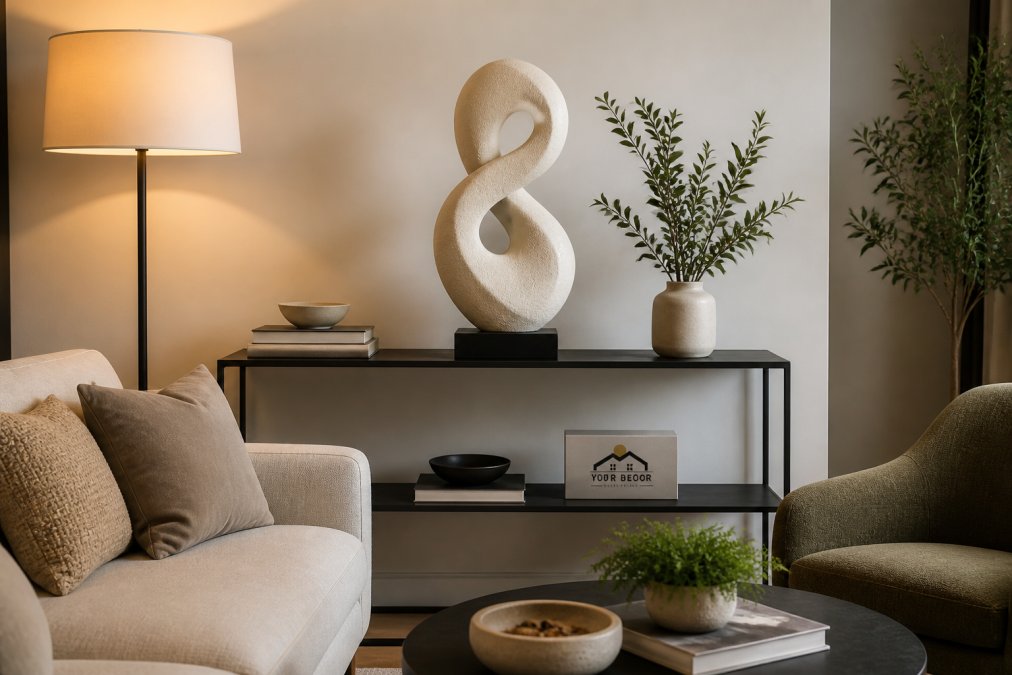
Lighting transforms sculptures. A piece that looks flat in overhead light becomes three-dimensional with directional lighting. If you're serious about displaying a handcrafted abstract sculpture, consider a small spotlight or track light that highlights its form. Even soft table lamp light creates shadows and depth that make the piece more engaging.
Color context matters too. A neutral-palette sculpture stands out against a bold wall color. A colorful piece needs breathing room, don't crowd it with additional color or pattern. Think of your sculpture as a conversation starter; give it space to make its point.
Styling Abstract Resin Accents in Modern Interiors
Resin accents have a particular aesthetic, they often read as contemporary, sometimes ethereal, occasionally playful depending on the design. The translucency and light-reflective quality mean they work best in spaces with intentional styling.
Group resin pieces with negative space. Unlike ceramic or wood, which feel grounded, resin benefits from air around it. A shelf with a resin sculpture, a few books, and empty space reads as curated. The same shelf packed with objects feels cluttered. Minimalism isn't about having fewer things, it's about creating intentional relationships between objects.
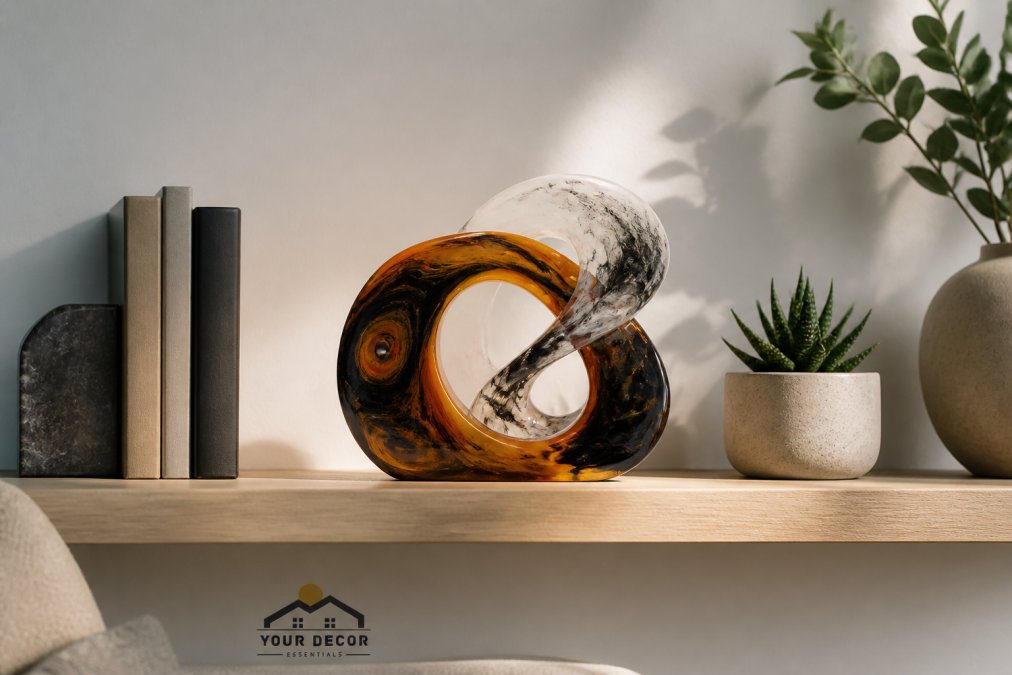
Resin accents shine in modern and transitional spaces. They work less well in traditional or heavily patterned interiors where they can feel out of place. If you love resin but have a traditional space, consider a single substantial piece rather than multiple smaller ones, one striking sculpture can anchor a contemporary moment within a traditional room.
Consider the base or surface. A resin piece on a natural wood shelf creates material contrast. The same piece on white shelving feels more gallery-like. On a marble surface, it feels luxurious. These subtle choices compound to create the overall feeling your space conveys.
Modern Abstract Home Decor Trends for 2026
The trajectory of abstract home decor in 2026 emphasizes authenticity and sustainability. Mass-produced "artisan-style" pieces are giving way to genuine handcrafted work. People increasingly want to know the maker's story, the materials used, and the process behind their purchases.
Organic shapes dominate over geometric precision. While clean lines and symmetry still have their place, there's a clear shift toward flowing forms, irregular edges, and designs inspired by nature. This reflects a broader cultural move toward biophilic design, the idea that humans respond positively to natural forms and patterns.
Mixed materials continue gaining traction. Resin with wood, ceramic with metal, acrylic with stone, these combinations create visual and tactile richness that single materials can't achieve. The contemporary aesthetic increasingly values complexity and texture.
Sustainability verification matters. Buyers want to know that materials are responsibly sourced, that production methods are ethical, and that pieces will last. Handcrafted work has a built-in sustainability advantage, a well-made piece that lasts decades has far lower environmental impact than disposable decor replaced every few years.
Personalization and customization are becoming standard expectations rather than premium options. People want pieces that reflect their specific color palettes, scale requirements, and aesthetic preferences.
Maintenance and Care for Textured Art and Sculptures
This is the gap that most guides miss. You buy a beautiful handcrafted sculpture and then wonder how to keep it looking intentional rather than dusty or neglected.
Dust regularly but gently. A soft microfiber cloth every week or two prevents dust accumulation that makes even the most beautiful piece look forgotten. For textured surfaces, a soft brush can reach into crevices without damaging the finish. Avoid paper towels, which can scratch delicate surfaces.
Avoid direct sunlight for extended periods. UV exposure fades colors and can damage materials over time. This doesn't mean hiding your sculpture, it means being mindful of placement. A sculpture in a north-facing room experiences different light than one in a south-facing window.
For resin pieces, avoid excessive heat. Keep them away from heating vents, radiators, and direct sunlight that creates heat. Extreme temperature fluctuations can cause cracking or warping.
Wood sculptures benefit from occasional light conditioning with natural wood oil, though this is rarely necessary for display pieces in climate-controlled homes. If your space is particularly dry, this prevents cracking. A light coat applied once or twice yearly is sufficient.
Ceramic and pottery pieces should be handled carefully. While they're durable when displayed, they're fragile if knocked over. Secure them on stable surfaces away from high-traffic areas, particularly in homes with children or pets.
For iron pieces, occasional dusting keeps them looking intentional. Iron naturally oxidizes and develops patina, which is part of its appeal. Don't attempt to polish it back to shiny, the patina is the aesthetic.
What Makes Handcrafted Pieces Worth the Investment
The question always comes down to value. Why spend more on a handcrafted sculpture when mass-produced alternatives cost a fraction of the price?
First, longevity. A well-made handcrafted piece lasts decades. The materials are selected for durability, the construction is intentional, and the maker stands behind their work. A mass-produced piece might look good for a year or two before the finish deteriorates, the material shows wear, or it simply looks dated. The handcrafted piece ages gracefully, developing character rather than showing decline.
Second, uniqueness. When you buy a handcrafted piece, you're not buying the same object thousands of other people own. There's inherent value in that exclusivity. Your space reflects your taste, not a algorithm's prediction of what people like you might purchase.
Third, the maker's investment. Every handcrafted sculpture represents hours of work, material costs, and artistic vision. When you purchase a handcrafted piece, you're supporting an artist or artisan. That matters to many people, the knowledge that their purchase funds someone's creative practice.
Fourth, the conversation. Handcrafted pieces generate questions. Visitors notice them. They ask about them. They want to know the story. Mass-produced pieces are invisible, they blend into the background. Handcrafted work becomes part of your home's narrative.
For anyone serious about creating a space that reflects their taste and values, handcrafted abstract home accents are the investment that justifies itself through years of enjoyment and appreciation.
Creating a home that feels intentional requires more than furniture and paint color. It requires pieces that make you pause, that catch the light differently throughout the day, that tell a story about who you are. Your Decor Essentials specializes in curated handcrafted abstract sculptures and resin accents that do exactly this work. Our collection focuses on artisan-made pieces with genuine craftsmanship, from ceramic sculptures with hand-painted details to wood and resin combinations that create visual complexity. Each piece is selected to introduce visual interest and help you transform your living space into something distinctly yours. Shop Now and discover the handcrafted abstract home accents that elevate your decor.
Frequently Asked Questions
What materials are best for handcrafted abstract home accents?
The best materials depend on your style and space. Ceramic and iron offer durability and artistic texture, ideal for sculptural pieces on shelves or mantels. Resin and acrylic catch light beautifully and work well in contemporary spaces. Wood, especially teak, creates warm, organic statements for floor displays. Mixed materials, like wood combined with resin, blend natural and modern aesthetics. Each material has distinct care requirements, so consider your lifestyle and maintenance preferences when choosing.
How do I choose the right abstract sculpture for my home?
Start by considering your room's color palette and existing furniture style. Abstract sculptures work best when they complement, not compete with, your decor. Measure your space carefully, a large floor sculpture needs room to breathe, while smaller pieces work on shelves or tables. Think about the sculpture's visual texture and whether you want it to blend or stand out. Consider the material and finish: does it match your aesthetic? Finally, trust your instinct. The best piece is one that speaks to you and fits naturally into your curated living space.
Why choose handcrafted decor over mass-produced items?
Handcrafted pieces offer uniqueness that mass production cannot replicate. Each artisan-made sculpture carries its maker's intention and artistic vision, creating one-of-a-kind accents that reflect your individual taste rather than generic trends. Handcrafted items typically feature superior craftsmanship, better materials, and attention to detail that elevates your entire room. They also hold their character over time, slight variations in finish or form become part of their charm. For those seeking distinctive interiors that stand out, handcrafted abstract home accents deliver both artistic integrity and lasting style.
How can I style abstract resin accents in a minimalist room?
In minimalist spaces, let resin accents be the star. Choose pieces with clean lines and a neutral color palette, whites, grays, or soft earth tones, to maintain visual calm. Place a single statement resin sculpture on a floating shelf or console where it can be appreciated without clutter around it. Pair it with negative space rather than surrounding objects. Resin's translucency and light-catching properties add visual interest without visual noise, making it perfect for minimalist design. Keep the display intentional: one or two pieces thoughtfully placed outperforms multiple scattered accents.
This article was written using GrandRanker
Frequently Asked Questions
What materials are best for handcrafted abstract home accents?
The best materials depend on your style and space. Ceramic and iron offer durability and artistic texture, ideal for sculptural pieces on shelves or mantels. Resin and acrylic catch light beautifully and work well in contemporary spaces. Wood, especially teak, creates warm, organic statements for floor displays. Mixed materials—like wood combined with resin—blend natural and modern aesthetics. Each material has distinct care requirements, so consider your lifestyle and maintenance preferences when choosing.
How do I choose the right abstract sculpture for my home?
Start by considering your room's color palette and existing furniture style. Abstract sculptures work best when they complement, not compete with, your decor. Measure your space carefully—a large floor sculpture needs room to breathe, while smaller pieces work on shelves or tables. Think about the sculpture's visual texture and whether you want it to blend or stand out. Consider the material and finish: does it match your aesthetic? Finally, trust your instinct. The best piece is one that speaks to you and fits naturally into your curated living space.
Why choose handcrafted decor over mass-produced items?
Handcrafted pieces offer uniqueness that mass production cannot replicate. Each artisan-made sculpture carries its maker's intention and artistic vision, creating one-of-a-kind accents that reflect your individual taste rather than generic trends. Handcrafted items typically feature superior craftsmanship, better materials, and attention to detail that elevates your entire room. They also hold their character over time—slight variations in finish or form become part of their charm. For those seeking distinctive interiors that stand out, handcrafted abstract home accents deliver both artistic integrity and lasting style.
How can I style abstract resin accents in a minimalist room?
In minimalist spaces, let resin accents be the star. Choose pieces with clean lines and a neutral color palette—whites, grays, or soft earth tones—to maintain visual calm. Place a single statement resin sculpture on a floating shelf or console where it can be appreciated without clutter around it. Pair it with negative space rather than surrounding objects. Resin's translucency and light-catching properties add visual interest without visual noise, making it perfect for minimalist design. Keep the display intentional: one or two pieces thoughtfully placed outperforms multiple scattered accents.