 listicle
10 Best Contemporary Furniture Trends for 2026
Table of Contents
- 1. Curved Silhouettes and Organic Shapes
- 2. Warm Wood Tones and Dark Finishes
- 3. Textural Contrast: Fluted, Reeded, and Tactile Surfaces
- 4. Multifunctional and Modular Pieces for Flexible Living
- 5. Sustainable Materials and Circular Economy Furniture
- 6. Modern Accent Chairs as Sculptural Focal Points
- 7. Mixing Furniture Styles Guide: Blending Eras with Confidence
- 8. Smart Home Integration and Ergonomic Design in Contemporary Furniture
- Conclusion
- Frequently Asked Questions
Last Updated: September 29, 2026
1. Curved Silhouettes and Organic Shapes
The biggest shift in contemporary furniture right now is the move away from hard edges. Curved silhouettes are everywhere, from sofas with soft, rounded arms to chairs that look almost sculptural. This is the trend that has defined contemporary furniture design for the past two years, and it shows no sign of slowing down in 2026.
Why the change? After years of boxy, angular minimalism, people want their homes to feel softer and more inviting. A curved accent chair does more for a living room than a dozen throw pillows. The shape itself creates movement and visual interest without adding clutter.
This guide breaks down the ten trends shaping interiors this year. Below, we'll show you exactly how to work each one into your space, whether you're furnishing a first apartment or refreshing a room you've lived in for years.
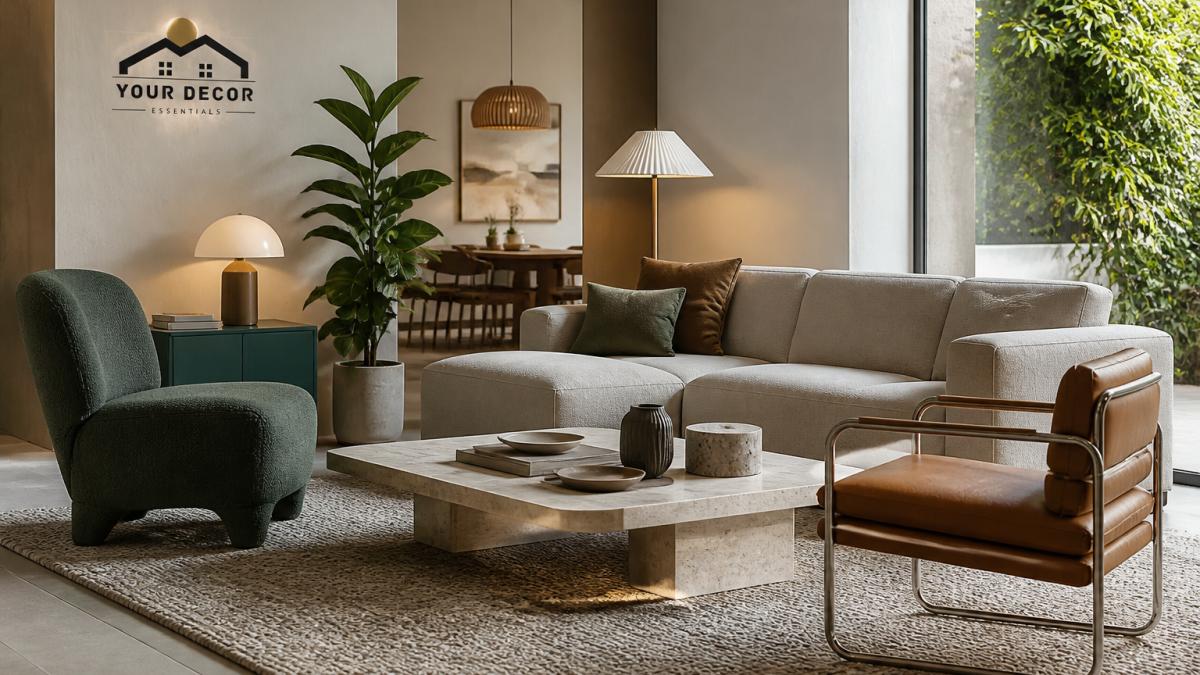
The defining feature of a curved piece is its organic silhouette. Look for sofas with rounded backs, chairs with sweeping armrests, and coffee tables with soft, pebble-like edges. These shapes work in almost any room because they break up the straight lines of walls and windows.
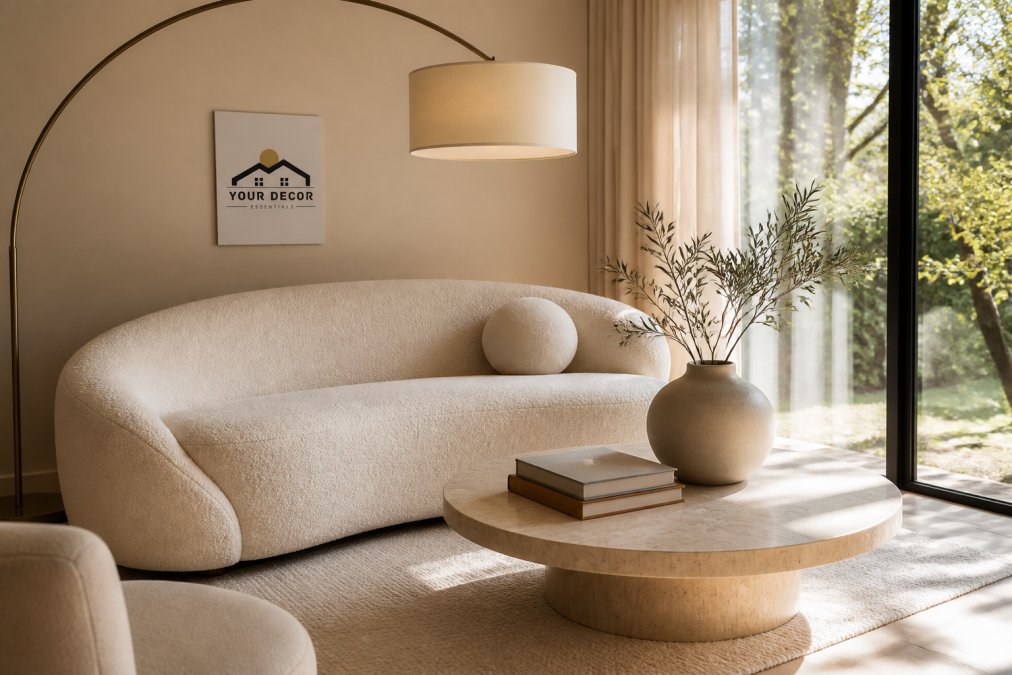
A common mistake is pairing a curved sofa with a rectangular coffee table and angular shelving. The contrast can feel jarring. Instead, repeat the curve somewhere else in the room, even subtly, with a round side table or an arched mirror.
2. Warm Wood Tones and Dark Finishes
Warm wood tones are back, and they're darker than the pale oak that dominated the last few years. Think walnut, smoked oak, and rich espresso finishes. These deeper tones add weight and warmth to a room, and they pair beautifully with the neutral color palette that runs through most contemporary interiors.
A dark wood credenza anchors a living room in a way that a light piece simply can't. It gives the eye somewhere to rest. If you're mixing eras, which we'll cover later, dark wood is your best bridge between a mid-century piece and something more modern.
The trade-off is visual weight. In a small room, one large dark piece works well. Three of them will make the space feel cramped. Balance a dark credenza with lighter walls, a pale rug, and plenty of natural light.
3. Textural Contrast: Fluted, Reeded, and Tactile Surfaces
Texture is doing the heavy lifting in 2026 interiors. Fluted and reeded surfaces, those vertical grooves you see on cabinets and sideboards, add depth to flat walls and furniture fronts. The appeal is simple: texture catches light, and light creates shadow, and shadow makes a room feel layered.
You don't need to redo your kitchen to get this look. Fluted millwork panels can be added to a single wall, a media console, or the front of a basic cabinet. The transformation is immediate.
Pair texture with smooth surfaces for contrast. A reeded wood cabinet next to a smooth resin sculpture or a glass lamp gives the eye two distinct materials to read. That contrast is what separates a curated room from a flat one.
4. Multifunctional and Modular Pieces for Flexible Living
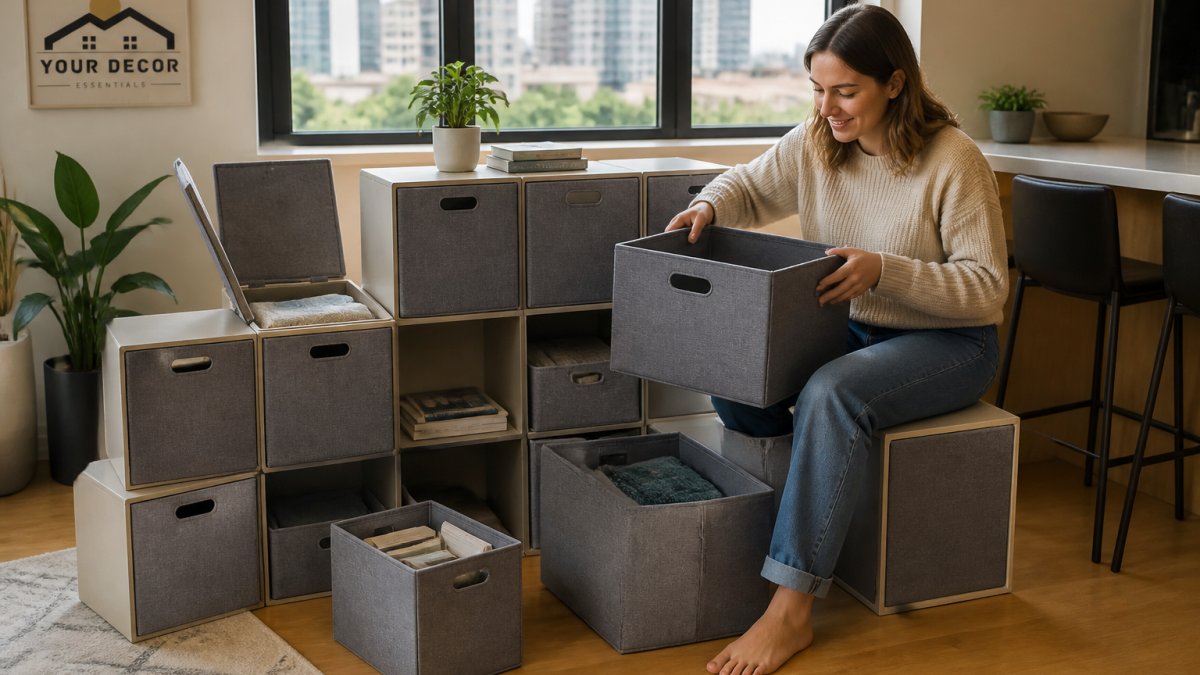
Multifunctional furniture is no longer a compromise for small apartments. It's a design choice. Modular sofas let you reconfigure a living room for movie night, then reset it for guests. Storage integrated into seating solves the clutter problem without adding another piece of furniture.
The mechanism behind modular furniture is simple: individual seat units lock together with brackets or interlocking bases, so you can add a chaise, remove a corner, or split a sectional into two loveseats.
| Piece | Starting Price | Best For | Key Feature |
|---|---|---|---|
| King Living Jasper Sofa | $4,500 | Flexible living rooms | Modular with hidden storage |
| Copenhagen Living Curved Chair | $1,200 | Reading nooks | Ergonomic curved silhouette |
| Urban Natural Dark Wood Credenza | $2,800 | Warm-toned storage | Sustainable solid wood |
| Van Vreedes Modern Dining Table | $2,100 | Modern dining rooms | Natural stone or wood top |
5. Sustainable Materials and Circular Economy Furniture
Sustainable materials have moved from niche to mainstream. Shoppers now ask where wood was sourced and whether a piece can be repaired rather than replaced. This shift connects to the circular economy, where furniture is resold, refurbished, or passed on instead of sent to a landfill.
For buyers, this changes the math on quality. A solid wood credenza costs more upfront than a particleboard alternative. But it can be refinished, repaired, and resold. The particleboard version cannot. Furniture longevity is now a financial argument, not just an environmental one.
Look for solid wood construction, water-based finishes, and joinery that can be taken apart and reassembled. These details signal a piece built to last. The Environmental Protection Agency's guidance on sustainable materials management offers useful context on how furniture fits into broader waste reduction efforts.
6. Modern Accent Chairs as Sculptural Focal Points
Modern accent chairs are the fastest way to add a sculptural element to a room without committing to a full redesign. A single well-chosen chair can define a reading corner, fill an empty wall, or add a pop of color to a neutral space.
Modern accent chairs show exactly why this category matters. The ergonomic curve supports the body, and the silhouette reads as art from across the room. It's furniture that works whether you're sitting in it or just looking at it.
The mistake most people make is buying an accent chair that matches everything else. A sculptural chair should stand slightly apart. Let it be the one piece that draws the eye, then keep the surrounding furniture quieter.
7. Mixing Furniture Styles Guide: Blending Eras with Confidence
A mixing furniture styles guide starts with one rule: pick a dominant style, then add accents from one or two others. A room that's 70% contemporary with 30% vintage or traditional feels intentional. A room split evenly between four styles feels like a showroom.
Transitional style is the practical middle ground here. It takes the clean lines of contemporary design and softens them with traditional comfort. This is where most homes naturally land, and it's the easiest style to build on over time.
Start with your largest pieces in one style, then layer in contrast. If your sofa and credenza are contemporary, add a vintage lamp or a traditional rug. The tension between eras is what makes a curated interior feel personal.
- Anchor the room with your biggest piece in your primary style
- Add one contrasting piece from a different era
- Repeat a material or color across both to tie them together
- Keep accessories minimal so the mix reads clearly
8. Smart Home Integration and Ergonomic Design in Contemporary Furniture
Smart home integration has quietly become a furniture feature. Charging ports built into sofa arms, lighting that adjusts with the time of day, and modular pieces designed around voice-controlled systems are all part of the 2026 landscape. The technology is there to serve the furniture, not the other way around.
With remote work continuing, the line between office chair and living room chair has blurred. A contemporary accent chair now needs to support a laptop session, not just look good in a photo. The measurable specs that matter are seat depth (18-22 inches for upright support, 22-26 inches for lounging), seat height (17-19 inches for easy standing), and foam density (at least 1.8 lb/ft³ for seat cushions that won't flatten within a year).
Ergonomic design matters just as much in a living room as it does in an office. High-density foam, proper seat depth, and lumbar support are now selling points on residential furniture, not just desk chairs.
On the smart side, the features worth paying for are USB-C Power Delivery ports (at least 18W, ideally 30W or higher for laptops), dimmable integrated LED lighting with a warm-to-cool range (2700K-4000K), and app or voice control that works with the major platforms. Features to skip include built-in speakers and proprietary charging pads that only work with one phone model.
For anyone furnishing a first home on a budget, the smart move is to invest in ergonomics and skip the tech. A well-built chair with good support will outlast three gadgets. Add the smart features later when the budget allows.
If you want to visualize how a modular piece will fit before buying, tools like the VividWorks 3D furniture configurator let you preview configurations in real time.
Conclusion
The hardest part of updating a room isn't picking a trend. It's knowing which pieces will still feel right in three years. The trends that last are the ones rooted in quality, proportion, and materials that age well.
At Your Decor Essentials, our abstract sculptures and resin accents add the visual interest that pulls a room together, our functional lighting transforms a space without a full redesign, and every piece is selected to reflect a more distinctive, thoughtfully styled look. If you're ready to bring these trends into your own home, browse the collection and find the pieces that speak to your style.
Architectural Digest's coverage of interior design trends
Frequently Asked Questions
What is the biggest furniture trend expected to be in 2026?
Curved silhouettes and organic shapes are leading 2026 contemporary furniture. Designers are moving away from sharp, boxy edges toward rounded sofas, arched chairs, and circular tables that soften a room. This shift pairs with warmer wood tones and tactile surfaces like fluted panels, creating interiors that feel inviting rather than stark. If you update one piece this year, choose a curved accent chair or a round coffee table to instantly modernize your space.
How can I incorporate modern accent chairs into my living room?
Start by treating a modern accent chair as a sculptural focal point, not just extra seating. Place a curved or ergonomic chair in a reading nook or beside a console, angled toward the main seating area to encourage conversation. Choose a fabric or color that contrasts with your sofa for visual interest, or match the wood tone of your coffee table for cohesion. A single well-chosen chair can anchor a corner and add personality without overwhelming the room.
What are the key differences between contemporary and modern furniture styles?
Modern furniture refers to a specific design movement from the mid-20th century, defined by clean lines and minimal ornamentation. Contemporary furniture is fluid, reflecting what is popular now, so it evolves each year. In 2026, contemporary pieces blend curved shapes, warm woods, and sustainable materials, while modern pieces stay truer to their historical forms. Understanding this distinction helps you mix both styles intentionally rather than creating a mismatched look.
How do I mix vintage pieces with contemporary furniture trends?
Use the 60:30:10 rule as your guide: 60% contemporary foundation pieces, 30% vintage accents, and 10% statement decor. For example, pair a sleek modular sofa with a vintage credenza and add a modern abstract sculpture on top. Keep colors and textures connected by choosing a neutral palette and repeating one material, like wood or metal, across both eras. This balance lets vintage finds feel intentional rather than out of place.
Shop Now with Your Decor Essentials and start building a home that reflects your taste, one considered piece at a time.