 listicle
Modern Sculptural Lighting for Homes: 2026 Guide
Table of Contents
- What Is Modern Sculptural Lighting?
- Functional Art: When a Light Becomes a Statement Piece
- Materials and Textures That Define Sculptural Fixtures
- Statement Chandeliers and Artistic Pendant Lights for Dining Rooms
- How to Choose Lighting for Small Apartments
- Lighting Layering Strategy: Ambient, Task, and Accent
- Maintenance and Cleaning of Complex Fixtures
- Budget-Friendly Sculptural Alternatives and Sustainable Materials
- Frequently Asked Questions
Last Updated: September 14, 2026
What Is Modern Sculptural Lighting?
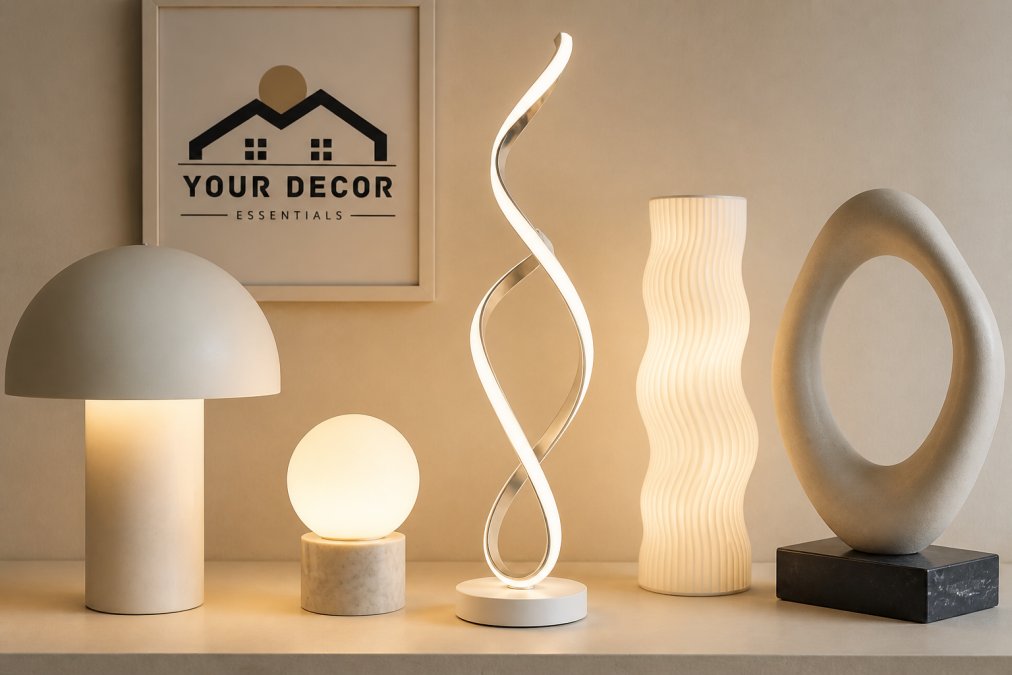
Modern sculptural lighting is a category of fixtures designed to work as functional art, where the form of the piece carries as much weight as the illumination it provides. A dining room pendant shaped like intertwined brass branches or a wall sconce with cascading textured glass panels falls into this category. This guide breaks down what separates a genuine sculptural piece from a decorative fixture, and how to choose one that fits your home.
The difference comes down to intent. A standard fixture hides its mechanics and disappears into the ceiling. A sculptural fixture makes its silhouette the point. Designers often describe this as functional art: the piece exists to light a room, but its shape, material, and shadow play become part of the room's design language.
That distinction matters when you're shopping. You're not just buying lumens. You're buying a focal point that will define how a space feels every evening.
Functional Art: When a Light Becomes a Statement Piece
A light becomes a statement piece when removing it would visibly change the room's character. That's the simplest test one can offer, and it's more useful than any style label.
Think about what happens when you walk into a room with a large abstract chandelier. Your eye goes there first. The fixture sets the tone before you notice the furniture. That's the mark of functional art: it does a job, but it also anchors the visual dimension of the space.
A few signs you're looking at a true statement piece rather than a decorated basic:
- The silhouette reads clearly from across the room
- The materials are visible and intentional, not hidden behind a shade
- The fixture casts interesting shadows or creates light diffusion patterns
- It feels like it belongs in a gallery as much as a ceiling
Materials and Textures That Define Sculptural Fixtures
Materials do most of the storytelling in sculptural lighting. Brass, hand-blown glass, travertine, alabaster, ceramic, and resin each change how a fixture reads and how light moves through it.
Textured sconces in brushed metal catch light differently than polished ones. Glass with visible bubbles or ripples scatters illumination into soft, uneven pools. Stone and alabaster glow from within when backlit, which is why they show up so often in organic modern interiors.
Here's how the main material families compare:
| Material | Light Quality | Best For | Upkeep |
|---|---|---|---|
| Hand-blown glass | Soft, diffused glow | Dining rooms, entryways | Dust weekly, handle gently |
| Brass and bronze | Warm, reflective bounce | Statement pendants | Polish occasionally |
| Travertine and alabaster | Warm, internal glow | Bedrooms, living rooms | Dry dust only |
| Resin and acrylic | Even, modern diffusion | Small apartments, renters | Wipe with damp cloth |
| Ceramic | Matte, moody wash | Accent and wall pieces | Dry dust only |
Material choice should follow your cleaning habits, not just your aesthetic. A fixture with dozens of small glass elements looks stunning but demands regular attention. If that's not realistic for you, choose a smoother silhouette in the same style.
Organic Forms vs. Geometric Composition
Organic forms use fluid, asymmetrical lines that mimic nature: branch-like arms, teardrop glass, rippling edges. Geometric composition relies on clean angles, repeated shapes, and structured symmetry.
Neither is better. Organic shapes soften minimalist rooms and suit organic modern and whimsical styles. Geometric pieces sharpen traditional spaces and pair well with mid-century modern furniture. The mistake is mixing both heavily in one sightline, which makes a room feel unsettled rather than curated.
Statement Chandeliers and Artistic Pendant Lights for Dining Rooms
Artistic pendant lights for dining rooms work best when they hang low enough to feel intentional and high enough to clear conversation. The fixture should sit roughly 30 to 36 inches above the table surface for most ceiling heights.
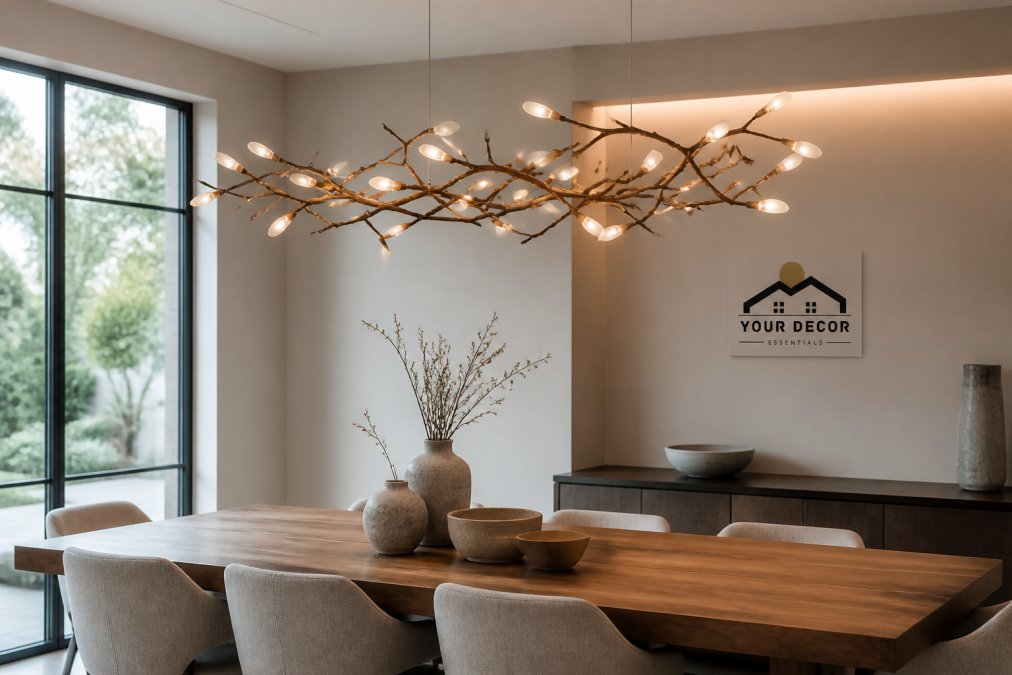
Scale is where most people get it wrong. A tiny pendant over a long table looks like an afterthought. A massive chandelier in a small dining nook overwhelms everything. Match the fixture's width to about half to two-thirds of your table's width, and you'll land in the right range most of the time.
For a single statement chandelier, look for one with adjustable hanging height and dimmable output. Dimmers matter more here than anywhere else in the house, because a dining room shifts from bright breakfasts to low, moody dinners in the same day.
How to Choose Lighting for Small Apartments
Choosing lighting for small apartments comes down to one rule: pick fixtures that add visual interest without eating floor or sightline space. Ceiling-hugging designs, wall-mounted pieces, and vertical pendants do this well. But the difference between a fixture that works and one that overwhelms comes down to numbers you can measure before you buy.
Start with ceiling height. In apartments with 8-foot ceilings, a flush mount or semi-flush fixture that hangs no more than 12 inches below the ceiling keeps the room feeling open. For 9-foot ceilings, you can drop a pendant 18 to 24 inches without crowding the space. Anything lower than 7 feet from the floor in a walkway is a hazard, and most building codes require at least 6 feet 8 inches of clearance in habitable spaces.
Width matters as much as drop. A fixture should span roughly one-third to one-half the width of the surface below it. Over a 36-inch bistro table, a 12- to 18-inch pendant looks intentional. A 30-inch fixture over the same table will dominate the room. In a narrow hallway, wall sconces spaced 8 to 10 feet apart provide even light without protruding into the path.
A few practical guidelines for tight spaces:
- Go vertical, not wide. A slim pendant draws the eye up and makes ceilings feel taller. Look for fixtures under 12 inches in diameter.
- Use wall sconces instead of floor lamps. They free up floor space and add textured light at eye level. Plug-in models avoid hardwiring.
- Favor light-diffusing materials. Frosted glass and resin spread illumination evenly, so you need fewer fixtures. A single 800-lumen fixture can light a 10x10 room if the shade diffuses well.
- Choose one statement piece per room. In a small apartment, two bold fixtures compete. One wins.
- Check the drop length. Low ceilings need flush or semi-flush mounts; measure before you commit. A pendant that hangs too low can make a room feel like a cave.
Renters should look for plug-in sconces and swag-style pendants that don't require hardwiring. You get the same sculptural impact without touching the electrical. Look for fixtures with inline dimmers or smart bulbs that work with standard outlets. If you must hardwire, many landlords allow it if you hire a licensed electrician and restore the original fixture before move-out. Always check your lease first.
For studio apartments, zone your lighting instead of relying on one overhead source. A sculptural pendant over the dining area, a plug-in sconce beside the bed, and a small accent lamp on a shelf create distinct zones without walls. This layered approach makes a single room feel larger and more functional.
Lighting Layering Strategy: Ambient, Task, and Accent
A layered lighting plan uses three types of light working together: ambient for overall brightness, task for focused work, and accent for drama. Sculptural fixtures usually live in the accent and ambient layers, which is why they change a room so dramatically.
Here's how the layers divide up in a typical living space:
| Layer | Job | Typical Fixtures | Sculptural Role |
|---|---|---|---|
| Ambient | Light the whole room | Ceiling mounts, large pendants | Statement chandelier as centerpiece |
| Task | Light specific activities | Reading lamps, under-cabinet strips | Usually kept simple |
| Accent | Add depth and drama | Sconces, small pendants, uplights | Textured sconces, abstract designs |
The common mistake is relying on a single overhead fixture for everything. It flattens a room and makes even beautiful pieces look ordinary. Add at least one accent source, ideally dimmable, and the same furniture will read completely differently after dark.
Maintenance and Cleaning of Complex Fixtures
Complex fixtures need a maintenance routine built around their materials, not a one-size-fits-all approach. Most sculptural pieces take fifteen minutes a month if you stay consistent.
Start with these habits:
- Turn off power at the breaker before any cleaning
- Dust intricate metalwork weekly with a soft microfiber cloth or a vacuum brush attachment
- Clean glass elements with a 50/50 water and white vinegar solution, dried immediately
- Never spray cleaner directly onto the fixture; apply to the cloth first
- Skip ammonia-based products on brass, resin, and coated finishes
- Check mounting hardware and connections twice a year
For pieces with dozens of small elements, set a calendar reminder. Dust that sits for months bonds to surfaces and turns a quick wipe into an hour of detail work.
Budget-Friendly Sculptural Alternatives and Sustainable Materials
You don't need a designer budget to get sculptural impact. Several approaches deliver the same visual dimension for far less, and many of them are kinder to the environment. The key is knowing where to save and where to invest.
Where to save:
- Resin and composite pieces mimic the look of stone and glass at a fraction of the weight and cost. A resin pendant can cost 60 to 80 percent less than a comparable alabaster fixture and weighs less, which matters for ceiling mounting.
- Single-statement fixtures beat spreading budget across several mediocre lights. One well-chosen piece does more for a room than three forgettable ones.
- Ceramic and recycled glass designs are often made by smaller studios at accessible price points. Look for local makers on marketplaces like Etsy or at craft fairs.
- DIY combinations like a simple pendant paired with a sculptural shade let you swap the look later. A basic cord kit plus a handmade shade can cost under $50 total.
- Open-box and floor models from lighting retailers often sell for 30 to 50 percent off with minimal wear. Check return policies before buying.
Sustainable options worth knowing:
- Recycled glass and reclaimed metal fixtures reduce new material demand. Some makers source glass from demolished buildings or post-industrial waste.
- LED-integrated designs cut energy use by up to 75 percent compared to incandescent and last 15,000 to 50,000 hours. Look for fixtures with replaceable LED modules so you're not tossing the whole piece when the light dies.
- Solid brass and stone pieces age well instead of landing in a landfill after a trend passes. Patina on brass is often considered a feature, not a flaw.
- Look for brands that assemble domestically and publish material sourcing. The FTC's Green Guides set standards for environmental marketing claims, so verify vague terms like "eco-friendly" with specific information from the manufacturer.
A unique angle competitors miss: Most guides treat budget and sustainability as separate topics. In practice, they overlap. A well-made fixture from recycled materials that lasts 20 years costs less per year than a cheap fixture you replace every three years. Do the math on cost per year of use, not just sticker price. A $200 fixture that lasts 15 years costs about $13 per year. A $60 fixture that lasts three years costs $20 per year and adds landfill waste.
If you're furnishing a first apartment and worried about pieces clashing, start with one anchor fixture and build around it. A sculptural light gives you a color and material reference for everything else. For a mid-century modern or minimalist aesthetic, choose one bold silhouette and keep the rest quiet.
Frequently Asked Questions
What is sculptural lighting?
Sculptural lighting refers to fixtures designed with artistic, three-dimensional forms that function as both illumination and decor. Unlike standard fixtures, these pieces often feature organic or geometric shapes, textured materials like glass or metal, and serve as a focal point in a room. They blend functional art with interior design, adding visual dimension and a unique statement to your space.
Does sculptural lighting provide enough functional illumination?
Yes, many modern sculptural fixtures are designed to provide ample light. Look for models with integrated LED options or multiple bulbs that offer sufficient lumens for the room's size. For dining rooms or living areas, combine a sculptural centerpiece with ambient or task lighting to ensure the space is well-lit. Check the fixture's lumen output and consider dimmable options for flexibility.
How do I choose the right size sculptural light for my space?
Measure your room's dimensions and ceiling height. For dining rooms, a chandelier should be about 12 inches narrower than the table width. In small apartments, opt for pendants or wall sconces that don't overwhelm the space. Consider the fixture's visual weight; a large, airy design can work in a small room if it has open, transparent elements. Always check product dimensions before purchasing.
Are sculptural light fixtures considered a good investment for home value?
High-quality sculptural lighting can enhance your home's aesthetic and appeal to buyers, potentially increasing perceived value. Unique, artistic fixtures often serve as selling points in real estate listings. However, the return depends on local market trends and buyer preferences. Focus on timeless designs that complement your interior style rather than fleeting trends to maximize long-term appeal.
How do you style sculptural lighting in a living room?
Use sculptural lighting as a focal point by hanging a statement pendant or chandelier centrally. Pair it with layered lighting: ambient fixtures for overall glow, task lamps for reading, and accent lights to highlight art. Keep surrounding decor minimal to let the fixture stand out. For a cohesive look, repeat materials or shapes from the light in other accents like coffee table sculptures or textured throws.