 listicle
Unique Sculptures for Entryways: 9 Statement Ideas
Table of Contents
- Why Entryway Sculptures Set the Tone for Your Home
- Quick Comparison: Entryway Sculpture Styles and Materials
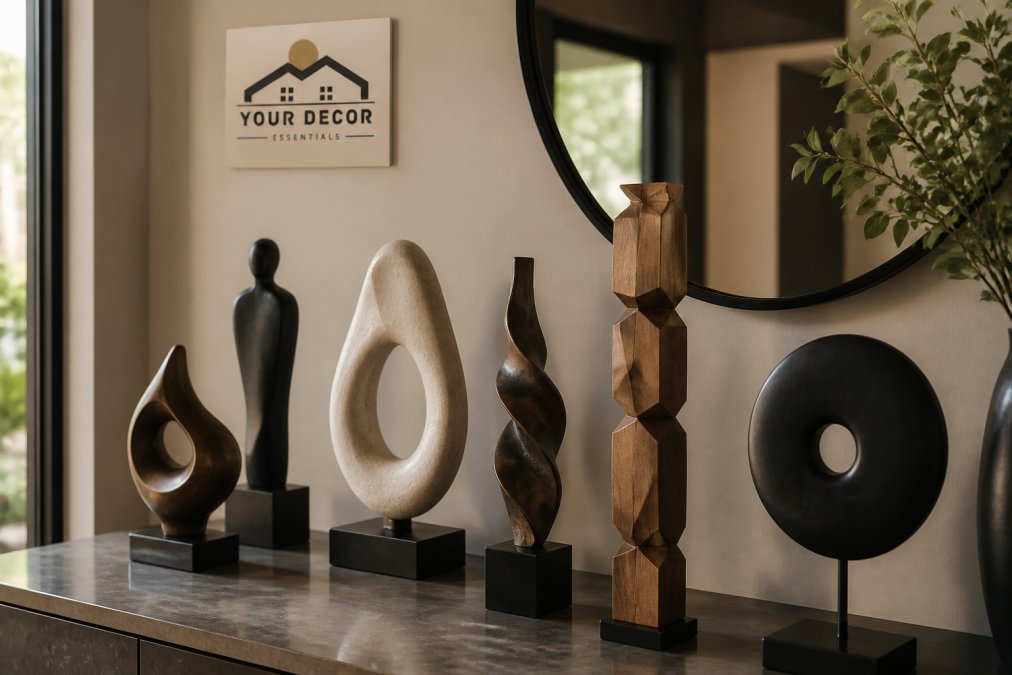
- How to Style Abstract Sculptures in Living Room and Entryway Spaces
- Large Floor Sculptures for Foyer: Making a Grand First Impression
- Sculpture Placement Tips for Entryways: Console, Floor, and Corner Spots
- Choosing the Right Size and Proportion for Your Entryway
- Materials That Hold Up: Resin, Marble, Bronze, and More
- Lighting Techniques That Make Sculptures Stand Out
- Safety, Stability, and Everyday Care for Entryway Sculptures
- Budget-Friendly Styling: Getting the Look Without Overspending
- Frequently Asked Questions
Last Updated: September 13, 2026
Why Entryway Sculptures Set the Tone for Your Home
The entryway is the first thing guests see and the last thing you see before you leave each morning, which is why unique sculptures for entryways make such an impact. A single well-chosen piece of art can define that space faster than paint, wallpaper, or new flooring. That's why unique sculptures for entryways have become one of the most requested accents in modern interior design, and it's the exact category Your Decor Essentials was built around.
A sculpture in the foyer works like a visual handshake. It tells visitors whether your home leans minimalist, industrial, organic, or glam before they've taken off their coat. Unlike a mass-produced print, a handcrafted piece carries texture, weight, and a sculptural presence that photographs never fully capture.
Below, we break down nine statement ideas across style, material, placement, and lighting, so you can choose a piece that fits your space and your budget.
Quick Comparison: Entryway Sculpture Styles and Materials
Here's a snapshot of the main options and where each one shines. Prices vary by size, finish, and artist, so treat this as a directional guide rather than a quote.
| Style / Material | Typical Look | Best For | Care Level |
|---|---|---|---|
| Abstract resin | Smooth, fluid, colorful | Console tables, small foyers | Low, dust weekly |
| Marble | Heavy, veined, classic | Formal entryways | Medium, seal annually |
| Bronze | Warm, patinated, heirloom | Statement floor pieces | Low, wax occasionally |
| Stainless steel | Reflective, modern | Contemporary hallways | Medium, fingerprint-prone |
| Fiberglass | Lightweight, large-scale | Big floor sculptures | Low, wipe clean |
| Ceramic | Matte, handcrafted | Tabletop statues | High, fragile |
| Wood / natural edge | Organic, grainy | Rustic or Japandi spaces | Medium, oil yearly |
For a broader look at how materials age in real homes, the American Society of Interior Designers resource library publishes guidance on finish durability that's worth a read before you commit.
How to Style Abstract Sculptures in Living Room and Entryway Spaces
Styling an abstract sculpture comes down to three moves: anchor it, contrast it, and light it. Most people get the first one right and skip the other two, which is why their piece looks like an afterthought.
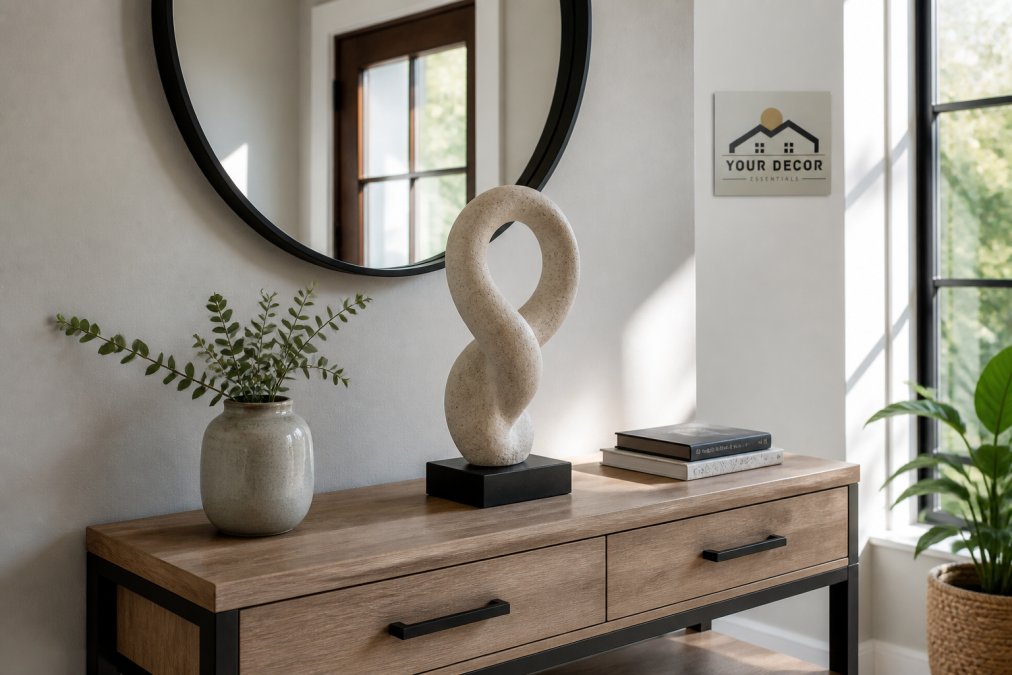
Start by giving the sculpture breathing room. An abstract form needs negative space around it to read as art rather than clutter. On a console, that means one sculpture, one small vase, and maybe a stack of two books. That's it.
Contrast matters more than matching. A matte ceramic piece pops against a glossy lacquer console. A polished bronze form looks sharper on raw oak. If everything in the vignette is the same finish, the sculpture disappears into the furniture.
Large Floor Sculptures for Foyer: Making a Grand First Impression
Large floor sculptures for foyer spaces do one job: they stop people mid-step. A tall, freestanding piece in a double-height entryway creates the kind of visual impact no console vignette can match.
Scale is everything here. A floor sculpture should occupy roughly one-third to one-half of the vertical wall height behind it. Too short and it looks lost; too tall and it crowds the doorway. For a standard eight-foot ceiling, aim for a piece between 30 and 48 inches tall.
Weight and stability matter just as much as height. A tall, narrow form in a high-traffic hallway will get bumped, so look for a weighted base or a piece you can secure to the wall. Fiberglass and resin keep the weight manageable without sacrificing size.
Where to source them? Specialized retailers like Giant Sculptures' large-format collection focus specifically on oversized statement pieces, while marketplaces such as Etsy's handmade sculpture category offer artisan-made options that ship from independent makers.
Sculpture Placement Tips for Entryways: Console, Floor, and Corner Spots
Placement decides whether a sculpture reads as intentional or accidental. The right spot depends on your entryway's footprint and traffic flow.
Console Table vs. Floor Placement
Console placement suits pieces under 24 inches tall and works best when the table sits against a wall with art or a mirror above it. Floor placement suits anything taller, and it needs at least 18 inches of clearance on all sides so people don't clip it walking past.
Working With Corner Spaces and Narrow Hallways
Corners are underrated. A corner is a natural frame, and a sculpture tucked into one gains a sense of depth it wouldn't have against a flat wall. For narrow hallways, skip the floor entirely and go vertical: a slim console with a single tall, narrow sculpture keeps the walkway clear.
Choosing the Right Size and Proportion for Your Entryway
Proportion is the single biggest reason a sculpture looks wrong in a space, and it's also the easiest thing to fix before you buy. Measure first, then shop.
Use these rough rules:
- Console sculpture: no taller than one-third the height of the wall behind it
- Floor sculpture: roughly one-third to one-half the wall height
- Corner piece: at least 18 inches of clearance on the open sides
- Narrow hallway: keep total depth under 12 inches so traffic flows freely
A quick example: an eight-foot wall (96 inches) calls for a console sculpture around 30 inches tall, or a floor piece between 32 and 48 inches. Get those numbers before you browse, and you'll filter out most of the wrong options instantly.
Materials That Hold Up: Resin, Marble, Bronze, and More
Material choice affects weight, care, and how the piece ages. Here's how the main options compare for an entryway, which is a higher-traffic zone than a living room shelf.
Resin is lightweight, affordable, and available in a huge range of finishes. It's the practical pick for small foyers and renters who move often. The trade-off is that cheap resin can look plasticky up close, so look for a matte or stone-effect finish.
Marble brings weight and permanence, with natural veining that makes every piece one of a kind. It's heavy, so it belongs on a sturdy console or the floor, and it needs sealing to resist staining.
Bronze develops a patina over time, which many collectors prize. It's an investment material and often the centerpiece of a formal entryway.
Stainless steel gives a clean, reflective, modern edge. It shows fingerprints, so it's better in a low-touch spot like a corner or a high shelf.
Fiberglass lets you go big without the weight of stone, which makes it ideal for large floor sculptures. Ceramic offers beautiful handcrafted texture but is fragile, so keep it on a tabletop away from foot traffic. Wood with a natural edge brings organic warmth and grain patterns that pair well with minimalist and rustic interiors.
Lighting Techniques That Make Sculptures Stand Out
Lighting is what separates a sculpture from a lump of material. The right setup reveals texture, depth, and form; the wrong one flattens everything into a silhouette. Most entryway guides skip this entirely, but a few deliberate choices will make your piece look intentional rather than incidental.
Start by identifying the sculpture's dominant feature. A tall, vertical piece benefits from uplighting that emphasizes height. A textured or carved surface needs raking light from the side to cast shadows that reveal detail. A translucent or open-form piece can be backlit to create a halo effect. Match the technique to the form, not the other way around.
Uplighting is the most dramatic option for floor sculptures. A small floor fixture or a recessed well light aimed upward at the base will graze the surface and emphasize height. For a 36-inch piece, place the fixture 6 to 12 inches from the base and angle it slightly toward the center. Use a narrow beam spread (around 15 to 25 degrees) to keep light on the sculpture rather than splashing the wall. A dimmable LED fixture in the 2700K to 3000K range flatters bronze, wood, and resin; cooler temperatures (3500K to 4000K) suit stainless steel and white marble.
Picture lighting works well above a console. A wall-mounted picture light with an adjustable shade lets you wash the sculpture and the wall behind it evenly. Look for a fixture with a horizontal arm that extends at least 12 inches from the wall so the light falls on the piece rather than behind it. A 24-inch picture light with a 40-watt equivalent LED bulb is sufficient for most console vignettes. Position it 12 to 18 inches above the highest point of the sculpture.
Backlighting creates a halo effect for open or translucent pieces. A strip of LED tape mounted behind the sculpture on the wall, or a small sconce placed behind an open-form piece, will outline the silhouette. Keep the light source hidden from direct view; the effect should be ambient, not a visible bulb. Warm white (2700K) works best for this technique.
Adjustable fixtures are your best friend. Look for spotlights or track heads with adjustable heads so you can aim the beam precisely. A fixture with a 30-degree beam angle gives you flexibility to highlight the sculpture without lighting the whole room. If you have a dimmer, use it; dimming lets you adjust the intensity for daytime versus evening.
What to avoid:
- Overhead recessed lights directly above the sculpture will flatten it and cast harsh shadows downward.
- Cool white or daylight bulbs (5000K+) can make bronze and wood look cold and washed out.
- Bare bulbs without a shade or baffle will create glare and distract from the piece.
Safety, Stability, and Everyday Care for Entryway Sculptures
An entryway sculpture takes more abuse than almost any other decor in your home. People brush past it, set bags against it, and open doors into it. A little preventive care goes a long way, and most guides ignore this entirely. Here's how to keep your piece stable, clean, and looking new.
Stability first. A sculpture that wobbles or tips is a hazard, especially in a high-traffic entryway. For tabletop pieces under 20 pounds, use museum putty or a non-slip pad under the base. Museum putty is removable and won't damage most finishes; press a small amount onto the bottom of the base and press the piece onto the surface. For floor sculptures, check whether the base is weighted. If it's not, anchor it to the wall with a discreet L-bracket or a furniture strap. This is especially important in homes with children or pets, where a bump can send a tall piece toppling.
Placement matters for safety. Keep floor sculptures at least 18 inches from door swings and walkways. If your entryway is narrow, choose a wall-mounted piece or a console sculpture instead of a floor piece. For corner placements, ensure the piece is stable on all sides; a corner can provide a false sense of security if the piece is top-heavy.
Cleaning by material:
- Resin and fiberglass: Dust weekly with a soft microfiber cloth. For deeper cleaning, wipe with a solution of mild dish soap and warm water, then dry immediately. Avoid abrasive cleaners or scrubbing pads, which can dull the finish.
- Marble: Use a pH-neutral stone cleaner specifically designed for marble. Never use vinegar, citrus, or ammonia-based cleaners; they etch the surface. Seal marble annually with a penetrating stone sealer to resist staining. Wipe spills immediately, as marble is porous.
- Bronze: Dust dry with a soft cloth. Apply a thin coat of microcrystalline wax once or twice a year to protect the patina and add a subtle sheen. Avoid touching the surface with bare hands frequently, as oils can leave fingerprints.
- Stainless steel: Wipe with a microfiber cloth dampened with water or a stainless steel cleaner. Wipe in the direction of the grain to avoid streaks. Fingerprints are inevitable, so keep a cloth nearby for quick touch-ups.
- Ceramic: Dust only with a soft brush or cloth. Keep ceramic pieces out of high-traffic areas where they might be knocked. If a piece chips, consult a professional conservator for repair; DIY repairs often look worse.
- Wood: Dust with a dry cloth. Apply a natural wood oil or wax once a year to prevent drying and cracking. Keep wood sculptures out of direct sunlight, which can fade the finish.
Seasonal checks. Twice a year, check the stability of your floor sculptures and the condition of any wall anchors. Tighten brackets and replace museum putty if it has lost its grip. This is also a good time to rotate the piece a quarter turn to reveal new angles and even out any light exposure.
Budget-Friendly Styling: Getting the Look Without Overspending
You don't need a gallery budget to make an entryway feel curated. A few smart choices get you most of the way there.
First, scale down rather than cheap out. A smaller, well-made piece beats a large, flimsy one every time. A 12-inch handcrafted ceramic or resin sculpture on a thrifted console can look more expensive than a big-box floor piece.
Second, shop artisan marketplaces for one-of-a-kind options at accessible prices. Handmade pieces from independent makers often cost less than mass-produced designer lookalikes, and they carry the artistic personality that makes a space feel personal.
Third, style with what you already own. A stack of books, a single stem in a slim vase, and one sculpture form a complete vignette. The sculpture is the focal point; everything else supports it.
Finally, consider a DIY plinth. A lightweight plinth or a painted wooden crate can lift a tabletop statue to floor-sculpture height for a fraction of the cost, and it adds the spatial transition that makes an entryway feel designed.
Choosing the right piece for your entryway comes down to proportion, material, and light, and getting all three right is what turns a hallway into a welcome. Your Decor Essentials curates abstract sculptures, resin accents, and functional lighting specifically for homeowners who want a personalized, artful space without the guesswork. With a curated selection of unique home decor, pieces designed to introduce visual interest, and lighting that transforms a room, Your Decor Essentials makes it easy to find a statement piece that reflects your taste. Shop Now and give your entryway the first impression it deserves.
Frequently Asked Questions
How do you choose the right size sculpture for an entryway?
Match the sculpture to your entryway's scale. A console table typically suits pieces between 12 and 24 inches tall, while a large floor sculpture for a foyer should reach at least one-third of the ceiling height to feel intentional. In narrow hallways, keep tabletop statues under 18 inches so they do not crowd the walkway. Measure your space first, then pick a piece that fills roughly 60 to 75 percent of the available surface or vertical area without blocking sightlines or door swings.
What are the best materials for entryway sculptures in high-traffic areas?
Resin, stainless steel, bronze, and marble all work well in busy entryways. Resin accents are lightweight and scratch-resistant, which makes them easy to reposition and safe around kids or pets. Bronze and marble offer weight and a gallery-level look but need a sturdy plinth or console. Ceramic and fiberglass sit in the middle: durable enough for daily use, with a wide range of finishes. Avoid fragile glass or thin plaster pieces in a foyer where bags and coats regularly brush past.
Should entryway sculptures be placed on a console table or the floor?
It depends on the piece and the space. Tabletop statues work best on a console or narrow shelf, where they sit at eye level and greet guests as they walk in. Large floor sculptures for foyer settings anchor an empty corner or flank a doorway and create a stronger focal point. A common approach is to pair one floor piece with one smaller tabletop sculpture on the same side of the entryway, keeping the other side open so the space still feels balanced and easy to move through.
How do you light a sculpture in an entryway?
Use a dedicated light source rather than relying on overhead fixtures alone. A small accent lamp on the console, a picture light aimed downward, or a floor uplight placed behind a large piece will emphasize texture, grain patterns, and the organic quality of the surface. Warm white bulbs around 2700K to 3000K flatter bronze, wood, and resin. Position the light at a 30 to 45 degree angle so shadows fall behind the sculpture instead of across its face.
Are resin sculptures durable enough for high-traffic entryways?
Yes, quality resin sculptures handle daily entryway use well. Resin resists chipping, moisture, and fading better than ceramic or plaster, and its lighter weight reduces the risk of damage if a piece tips. Dust with a soft dry cloth weekly, and wipe with a damp cloth and mild soap for deeper cleaning. Keep resin out of prolonged direct sunlight to prevent color shift over time, and use a felt pad underneath to protect both the sculpture and your console surface.