 blog
blog
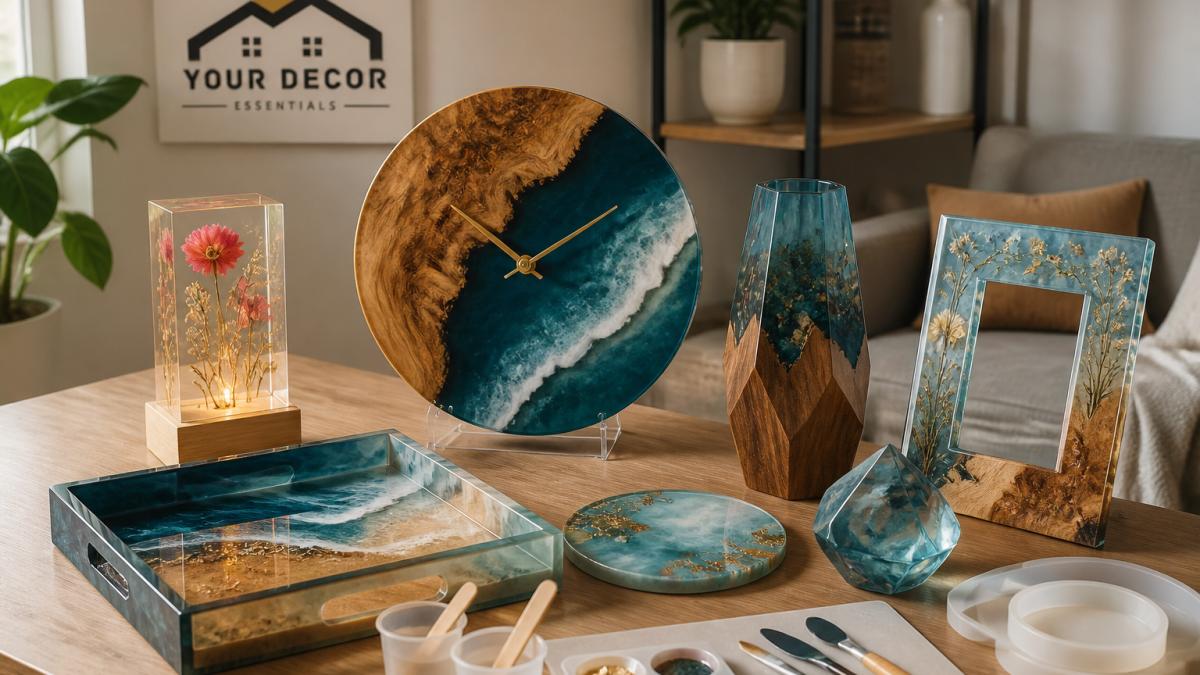
7 Unique Resin Art Ideas for Home 2026
Table of Contents
- 1. Resin Art Ideas for Home: What to Know Before You Pour
- 2. DIY Resin Home Decor: Coasters and Small Accessories
- 3. Resin Wall Art Ideas: Decorative Panels and Ocean Scenes
- 4. Trays, Bowls, and Functional Serving Pieces
- 5. Jewelry, Pendants, and Personal Accessories
- 6. Resin Art for Beginners: Easy Techniques and Project Ideas
- 7. How to Style Abstract Sculptures in Living Room with Resin Accents
- Safety, Durability, and Care for Resin Art
- Conclusion: Bringing Your Resin Art Vision to Life
- Frequently Asked Questions
Last Updated: October 5, 2026
1. Resin Art Ideas for Home: What to Know Before You Pour
Resin art is the craft of mixing liquid epoxy resin with pigment, then pouring it into molds or onto panels to create glossy, glass-like decorative pieces. The 7 unique resin art ideas for home 2026 in this guide offer inspiration for styling resin accents. Below, we'll show you exactly which projects deliver the biggest visual payoff for the least fuss, plus the timing, safety, and care details most roundups skip.
Here's what most guides get wrong: they treat every project as equally beginner-friendly. They aren't. A coaster sets in a day. A layered ocean panel can take a week of patient pouring.
Why Resin Art Fits Modern Homes
Modern interiors lean on clean lines and neutral walls. Resin pieces break that calm with color and shine, without adding clutter. A single glossy tray or wall panel reads as art, not stuff. Resin also copies expensive materials convincingly. Think marble, agate, and sea glass, at a fraction of the weight.
How to Choose the Right Project for Your Space
Pick the project before the pigment. Match the piece to the room, the surface, and your patience level. Use this quick filter:
| Your Situation | Best Project | Why |
|---|---|---|
| First apartment, small space | Coasters or bookmarks | Cheap to make, easy to store |
| Blank living room wall | Geode or ocean panel | Big visual impact |
| Renter, no wall damage allowed | Trays and bowls | Freestanding, no hardware |
| Gift giver | Jewelry or pendants | Personal and wearable |
| Low ventilation at home | Small molds only | Less resin, less odor |
2. DIY Resin Home Decor: Coasters and Small Accessories
DIY resin home decor starts with small projects, and coasters are the classic first pour. They use little resin, cure fast, and teach you color mixing with almost no risk.
Beyond coasters, small accessories cover phone stands, bookmarks, and trinket bowls. These pieces suit renters and small spaces because they sit on surfaces instead of hanging on walls.
Here's how to sequence a coaster set:
- Mix resin and hardener exactly by the ratio on the bottle
- Split into cups, one per color
- Add pigment with a toothpick, not a pour
- Pour into silicone molds, then drag a stick through the colors
- Pop surface bubbles with a quick pass of a heat gun
- Cover and let cure a full 24 hours before demolding
A common mistake is demolding early. Resin that feels firm on top can still be soft underneath, and you'll bend the edges.
3. Resin Wall Art Ideas: Decorative Panels and Ocean Scenes
Resin wall art ideas scale up the same skills into statement pieces. Decorative panels work on wood, canvas, or acrylic blanks, and they turn a plain wall into a focal point. Ocean scenes are the most requested design we see, and for good reason.

Geode and Floral Wall Designs
Geode designs mimic sliced stone: a dark center, rings of color, and a crystal edge made with glass or crushed stone. Floral designs press real dried flowers into a clear topcoat, which preserves them behind a glossy finish.
Both styles reward patience.
4. Trays, Bowls, and Functional Serving Pieces
Trays and bowls turn resin from decor into daily use. A resin tray holds candles, remotes, or coffee. A shallow bowl catches keys by the door. These pieces earn their space because they do a job.
For serving pieces, heat resistance matters. Standard epoxy resin softens under hot dishes, so use a trivet under hot pans and never pour boiling water directly into a resin bowl. For guidance on food-contact craft materials, check the manufacturer's label before using any resin piece with food.
5. Jewelry, Pendants, and Personal Accessories
Jewelry is where resin gets personal. Pendants, earrings, and keychains use tiny molds, so a little resin goes a long way. You can embed dried petals, gold leaf, or a photo printed on thin paper.
6. Resin Art for Beginners: Easy Techniques and Project Ideas
Resin art for beginners comes down to three techniques: a clean flat pour, a dirty pour with mixed colors, and an embed pour with objects inside. Master those and every project in this list becomes reachable.
Start with a flat pour on a coaster. Then try a dirty pour, where you combine colors in one cup before pouring. Finally, attempt an embed with a dried flower. Each step adds one new skill.
- Flat pour: one color, one surface, no dragging
- Dirty pour: two or three colors swirled in the cup
- Embed pour: object placed, then sealed under clear resin
- Layering: partial cure between pours for defined bands
7. How to Style Abstract Sculptures in Living Room with Resin Accents
Knowing how to style abstract sculptures in living room settings is really about grouping and height. Resin accents work best when they echo a color already in the room. Pull one shade from your rug or art, then repeat it in the sculpture or tray.
Room-by-room, here's our approach:
- Living room: one large sculpture on the console, one small tray on the coffee table
- Bedroom: a resin tray on the nightstand for jewelry
- Entryway: a shallow bowl for keys, plus a small panel above
- Home office: a phone stand and a bookmark-sized panel
Odd numbers look better than even. Three pieces in a cluster beat two every time.
Safety, Durability, and Care for Resin Art
Safety comes first with resin. Uncured epoxy releases fumes, so work in a ventilated space, wear nitrile gloves, and keep resin away from skin. The OSHA guidance on chemical ventilation is a useful reference for setting up a safe craft area at home.
| Care Task | How Often | What to Use |
|---|---|---|
| Dusting | Weekly | Soft microfiber cloth |
| Deep clean | Monthly | Mild soap and water |
| Heat protection | Always | Trivet under hot items |
| Sun exposure | Ongoing | Keep out of direct light |
Conclusion: Bringing Your Resin Art Vision to Life
Resin rewards patience more than talent, and the seven projects here prove it. Start small, layer slowly, and let each piece cure fully before you judge it. If you would rather skip the mixing and measuring, our curated collection at Your Decor Essentials brings the same glossy, artful look to your home without the fumes. Explore abstract sculptures, resin accents, and functional lighting that add visual interest to any room. Shop Now and find the piece that finishes your space.
Frequently Asked Questions
What are some crafts I can make with resin?
You can make coasters, trays, wall art, jewelry, bowls, phone stands, bookmarks, and wall clocks. Resin art works for both functional and decorative pieces. Start with small projects like coasters or pendants using silicone molds, then move to larger panels or trays. Pigments and embeds let you create ocean scenes, geode replicas, or floral designs. Many of these projects double as home decor accents that add visual interest to a room.
What are the downsides of using epoxy resin?
Epoxy resin can present challenges such as careful mixing, curing time, and ventilation. It may be messy, and bubbles or uneven surfaces can occur if not poured correctly. Some individuals may experience skin sensitivity with repeated exposure, and a dust-free space is often needed for curing. Despite these challenges, the durable, glossy finish and creative possibilities make it a popular choice for DIY home decor.
What resin art ideas are suitable for beginners?
Coasters, small trays, pendants, and bookmarks are ideal for beginners. These projects often use silicone molds and may require less resin. Starting with a simple two-color pour can be a good way to practice, and techniques like warming the resin slightly and pouring slowly can help with bubble prevention. Once comfortable, layering or adding embeds can be explored. Kits with pre-measured resin and molds can make the process easier for first-timers.
How do you safely use epoxy resin at home?
Working in a well-ventilated area, ideally with open windows or a fan, is recommended. Wearing nitrile gloves and a respirator rated for organic vapors can be beneficial. Covering your work surface with a silicone mat or plastic sheet is a good practice. It's advisable to avoid eating or drinking near resin and to wash skin immediately if contact occurs. Following the manufacturer's mixing ratios and curing times is important. Storing resin and hardener in a cool, dry place away from children and pets is also recommended.