 comparison
Contemporary vs Traditional Furniture Style
Table of Contents
- Contemporary Furniture Style Explained
- Traditional Furniture Style Explained
- Key Design Differences Between the Two Styles
- Comparison Table: Contemporary vs Traditional at a Glance
- How to Mix Modern and Traditional Furniture
- Modern Accent Chairs for Blended Interiors
- Choosing by Room and Lifestyle
- Durability, Craftsmanship, and Long-Term Value
- Frequently Asked Questions
Last Updated: October 10, 2026
Contemporary Furniture Style Explained
Contemporary furniture style emphasizes clean lines, minimalist aesthetics, and functional design that reflects current trends. Unlike "modern" design, which refers to a specific mid-20th-century movement (roughly 1900-1950), contemporary design is fluid and evolving; it represents what designers are creating right now, informed by current lifestyles, technology, and environmental concerns.
Contemporary style prioritizes simplicity, open space, and a focus on what's essential, stripping away ornamental details in favor of form that serves function. This philosophy emerged from industrial design and Scandinavian minimalism, where every element had to justify its presence. A contemporary sofa isn't padded with decorative rolled arms; instead, it features a low-profile frame, often on exposed legs, with clean upholstery that shows no seams or tufting.
Visual and Material Characteristics
The silhouettes in contemporary design are angular and geometric. Sofas feature straight arms without padding or rolled edges. Legs are often exposed metal (brushed steel, matte black) or sleek wood in neutral tones like white oak or walnut. Tables have flat surfaces without aprons or skirting; chairs sit on simple four-leg frames or sculptural single-pedestal bases.
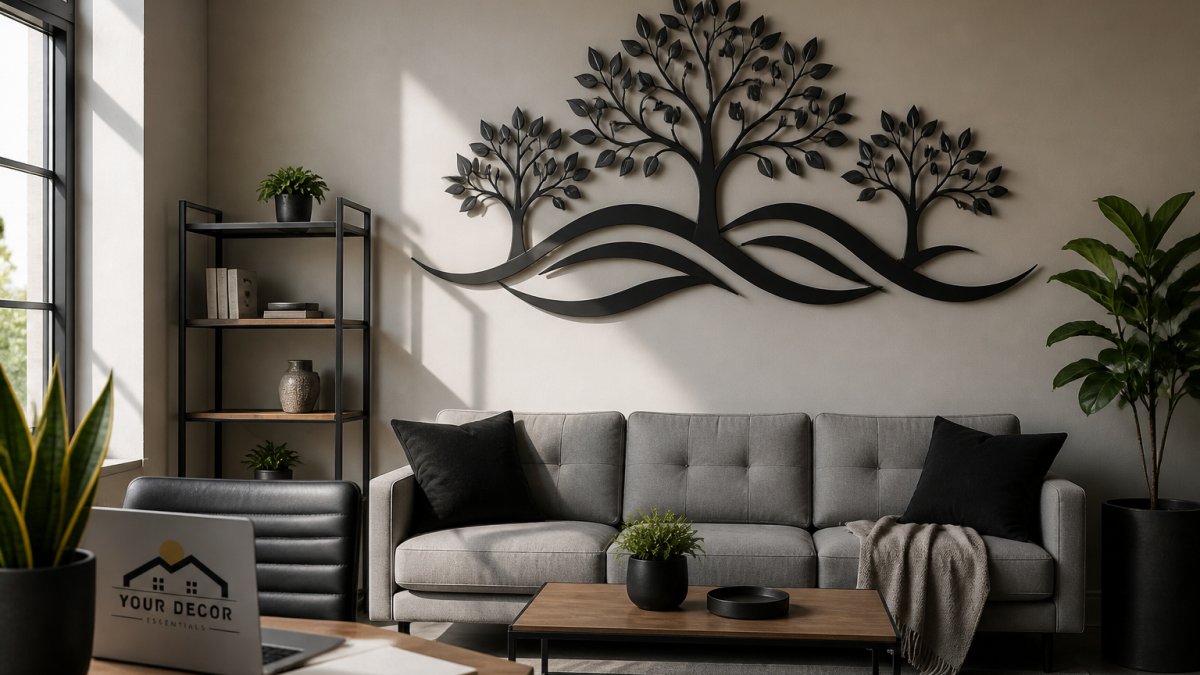
Colors tend toward a palette of whites, grays, blacks, and earth tones, soft beiges, warm grays, muted terracotta, allowing accent pieces like abstract sculptures and resin decor to become visual focal points. This restraint in color creates visual calm and makes spaces feel larger, a practical advantage in smaller homes or open-plan layouts.
Materials in contemporary furniture lean toward industrial or performance-driven options: metal frames (aluminum, steel), glass or engineered stone tabletops, synthetic performance fabrics (microfiber, polyester blends), and smooth finishes that resist fingerprints and staining. Solid wood appears, but often in simple forms, a walnut dining table with a single slab top and tapered legs, for example, rather than carved or veneered. The overall effect is uncluttered and intentional; every piece serves a purpose, and nothing exists purely for decoration.
Construction and Sourcing Philosophy
Contemporary furniture prioritizes efficient manufacturing and material innovation. Pieces are often modular, sectional sofas with interchangeable components, shelving systems with adjustable brackets, reflecting how people actually live and reconfigure spaces. This modularity also reduces waste during production and allows consumers to adapt furniture as their needs change.
Sourcing reflects contemporary values: sustainable materials (FSC-certified wood, recycled metals), low-VOC finishes (reducing off-gassing), and transparent supply chains are increasingly standard. Many contemporary manufacturers publish sustainability reports and use materials like reclaimed wood or recycled plastic in frames and legs.
Contemporary pieces are designed for easy maintenance and longevity through simplicity, not ornamentation. A contemporary sofa with a tight weave and no crevices is easier to clean than a traditional piece with button tufting and nailhead trim. This practicality appeals to busy households and those in climates where dust or pet hair is a concern.
Traditional Furniture Style Explained
Traditional furniture style draws from classic design principles rooted in historical periods like Victorian, Colonial, and French Provincial aesthetics. This approach celebrates ornamentation, rich materials, and craftsmanship that conveys permanence and timelessness.
Traditional pieces feature curved lines, cabriole legs, rolled arms on sofas, and skirted bases that touch the floor. Wood is the dominant material, often in warm tones like cherry, mahogany, or oak, and surfaces display visible wood grain. Upholstery typically uses natural fabrics like linen, leather, or damask patterns. Decorative details matter: nailhead trim, button tufting, carved wooden accents, and ornamental hardware signal quality and heritage.
The color palette in traditional design is warmer and richer: deep burgundies, forest greens, golds, and warm browns. These colors create a sense of coziness and formality simultaneously. Traditional spaces feel collected over time, as if each piece has a story.
Key Design Differences Between the Two Styles
The contrast between contemporary vs traditional furniture comes down to philosophy: contemporary asks "what can we remove?" while traditional asks "what can we add?"
Silhouette and Line Work
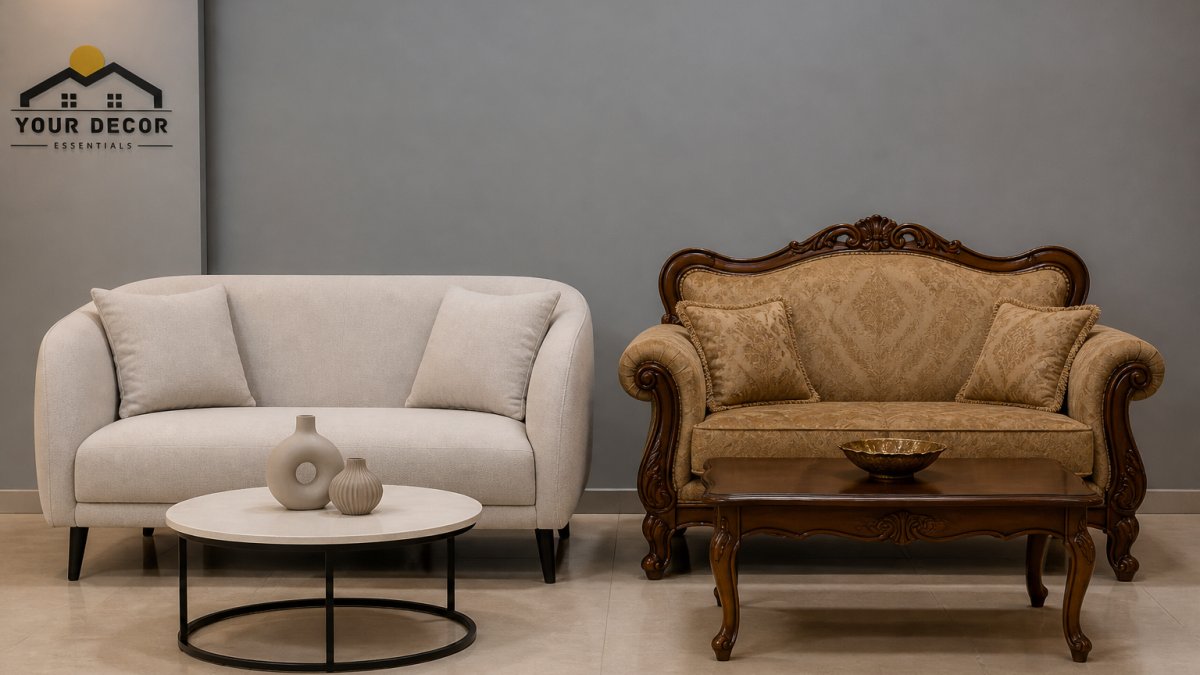
Contemporary furniture employs straight lines and geometric shapes. A contemporary sofa sits on exposed legs with a linear profile. Traditional furniture embraces curves: rolled armrests, arched backs, and legs that taper gracefully. These curved lines create visual softness and elegance.
When you place a contemporary chair next to a traditional wingback, the difference is immediately visible. The contemporary piece looks spare and architectural. The traditional piece looks substantial and inviting. Neither is objectively better, they simply signal different design values.
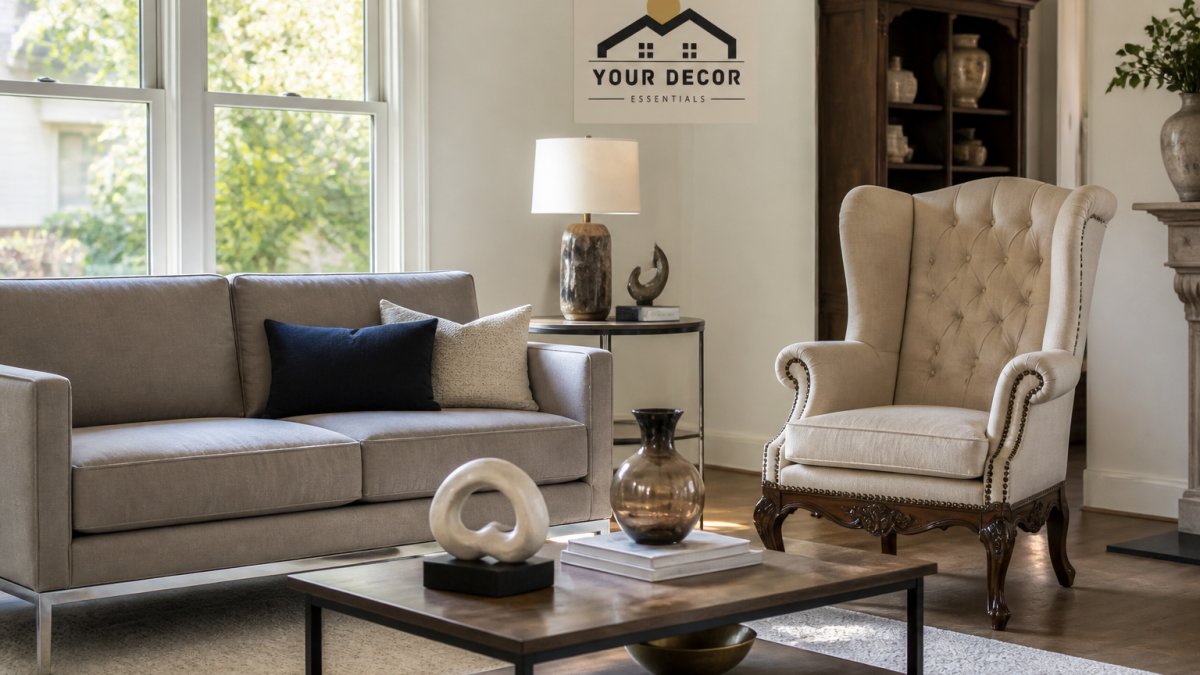
Materials and Finishes
Contemporary design favors industrial materials: brushed metal, glass, polished concrete, and synthetic fabrics that prioritize durability and easy maintenance. Finishes are typically matte or satin, with minimal texture. This creates a cool, refined aesthetic.
Traditional design celebrates natural materials: solid wood with visible grain, genuine leather, wool fabrics, and hand-applied finishes. Surfaces often show patina or intentional aging. The tactile quality matters, you're meant to touch and feel the material.
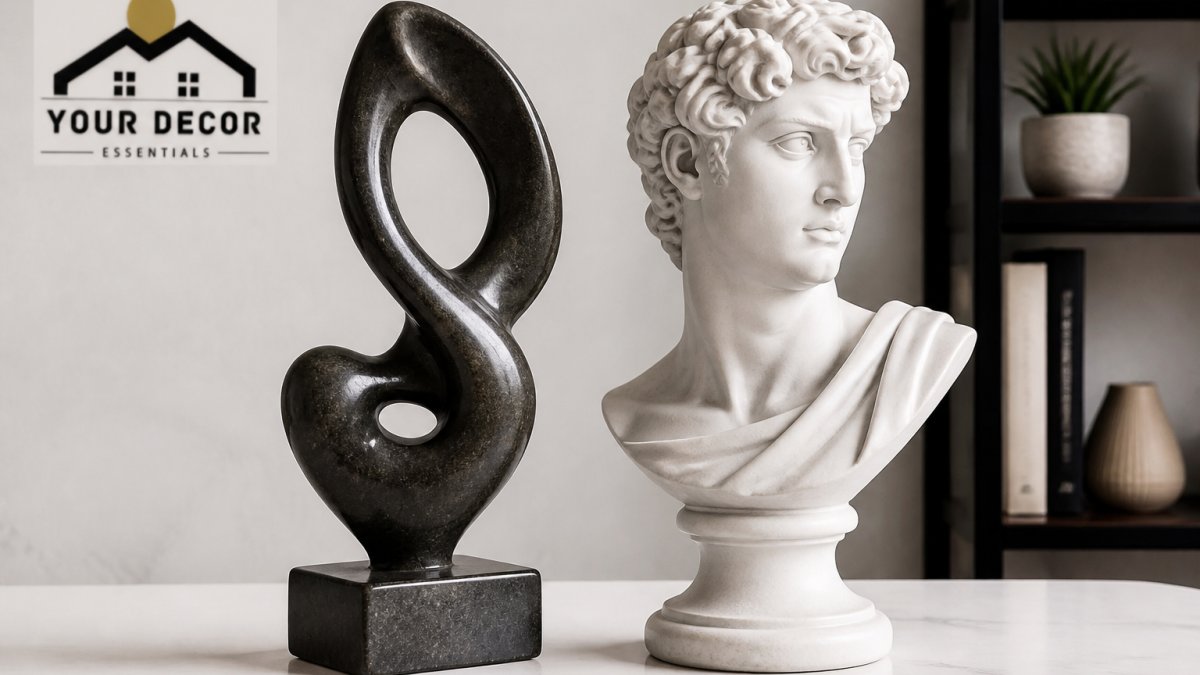
Your Decor Essentials curates pieces that honor both approaches. Contemporary accent pieces like abstract sculptures in resin work beautifully in minimalist spaces, while traditional wooden furniture pairs naturally with classic home accents.
Ornamentation and Decorative Details
This is where the philosophies diverge most sharply. Contemporary design strips ornamentation away entirely. A contemporary table is a flat surface on clean legs, nothing more. Traditional design layers on details: carved edges, inlaid wood patterns, decorative hardware, and surface embellishment.
Traditional furniture often features:
- Nailhead trim along upholstery edges
- Button tufting on chair backs and cushions
- Carved wooden details on legs and frames
- Ornamental hardware and brass accents
- Visible stitching as a design element
Contemporary design features:
- Smooth, uninterrupted surfaces
- Hidden hardware and fasteners
- Minimal texture or pattern
- Negative space as a design element
- Function-driven proportions
Comparison Table: Contemporary vs Traditional at a Glance
| Aspect | Contemporary | Traditional |
|---|---|---|
| Silhouette | Straight lines, geometric shapes | Curved lines, organic forms |
| Primary Material | Metal, glass, synthetic fabrics | Solid wood, leather, natural textiles |
| Color Palette | Neutrals, whites, grays, blacks | Rich browns, burgundies, golds, greens |
| Ornamentation | Minimal to none | Extensive carved details, trim |
| Legs/Base | Exposed, often metal | Often skirted or decoratively carved |
| Upholstery | Smooth, performance fabrics | Natural fabrics, often patterned |
| Visual Effect | Clean, uncluttered, minimal | Collected, formal, warm |
| Best For | Small spaces, modern aesthetics | Larger rooms, classic interiors |
How to Mix Modern and Traditional Furniture
The real opportunity lies in blending both styles. Many of the most sophisticated interiors combine contemporary and traditional pieces intentionally, creating visual interest and personal narrative.
Start with a foundation in one style, then introduce accent pieces from the other. A contemporary living room with clean-lined sofas and metal-framed tables becomes richer when you add a traditional wooden side table or upholstered armchair. The contrast draws the eye and prevents the space from feeling sterile.
The key is proportion: if your room is 70% contemporary, keep traditional accents to 30%. This creates balance without visual chaos. Alternatively, divide the room by function: contemporary dining chairs around a traditional wood table, or a traditional upholstered bed in a contemporary bedroom with metal nightstands.
Modern Accent Chairs for Blended Interiors
Accent chairs are the easiest way to experiment with mixing styles. A contemporary accent chair introduces modern geometry into a traditional room. A traditional wingback adds warmth to contemporary spaces.
Look for chairs that hint at both worlds: a contemporary silhouette upholstered in a traditional fabric, or a traditional shape in a modern color. These hybrid pieces create intentional bridges between design approaches.
Your Decor Essentials recognizes that homeowners want pieces that feel unique and thoughtfully styled. Modern accent chairs with clean lines pair beautifully with our abstract sculptures and resin accents, creating layered interiors that reflect personal taste rather than following a single design doctrine.
Choosing by Room and Lifestyle
The best style choice depends on how you live, not just how you want your space to look.
Living Rooms and Family Spaces
Living rooms are gathering spaces where comfort and durability matter. Contemporary living rooms work well for households with children or pets, synthetic fabrics resist stains, and clean lines make the space feel larger and easier to maintain.
Traditional living rooms create formal gathering spaces that feel intentional and collected. Rich fabrics and wood furniture develop character over time, and the warmth invites lingering conversation.
Many families choose a hybrid approach: contemporary sofas for their durability, paired with traditional wooden side tables and traditional area rugs that ground the space. This combination feels both livable and designed.
Bedrooms and Personal Retreats
Bedrooms benefit from whichever style makes you feel most at rest. Contemporary bedrooms feel calm and uncluttered, ideal if you're sensitive to visual noise. The minimal palette promotes sleep and mental clarity.
Traditional bedrooms feel like sanctuaries. Warm wood tones, soft textures, and layered details create coziness and intimacy. If you love surrounding yourself with beautiful objects, traditional design accommodates that impulse.
Your Decor Essentials helps both approaches with functional lighting and abstract sculptures that add visual interest without clutter. A contemporary bedroom gains warmth from a single sculptural piece; a traditional bedroom gains modern sophistication from a minimalist lighting fixture.
Dining Rooms and Entertaining Spaces
Dining rooms are where style becomes performance. Contemporary dining spaces feel modern and efficient, clean tables, simple chairs, minimal distraction. Traditional dining rooms feel formal and collected, wood tables that showcase grain, upholstered chairs, and layered place settings.
Choose based on how you entertain. If you host casual gatherings, contemporary works well. If you enjoy formal dinners or want the space to feel like a special occasion, traditional creates that atmosphere.
Durability, Craftsmanship, and Long-Term Value
Both styles can be built to last, but they age differently.
Contemporary furniture, when well-made, prioritizes durability through material quality and functional simplicity. Metal frames don't warp. Glass and polished surfaces resist wear. The downside: contemporary pieces can feel dated as trends shift. A contemporary chair from 2015 might look noticeably old by 2026.
Traditional furniture develops character as it ages. Solid wood deepens in color. Leather patinas beautifully. Well-crafted traditional pieces become heirlooms, they're designed to pass down. The investment is higher upfront, but the longevity is genuine.
Consider your lifestyle too. Contemporary's low-maintenance appeal suits busy households. Traditional's layered details suit those who enjoy caring for their spaces and watching them develop patina over time.
Your Decor Essentials helps both approaches by offering accent pieces, abstract sculptures and resin decor, that enhance whatever furniture foundation you choose. These curated pieces add visual interest and sophistication without requiring the same long-term commitment as furniture itself.
Choosing between contemporary vs traditional furniture doesn't have to be either-or. The homes that feel most personal and sophisticated often blend both approaches, using contemporary pieces for their clean efficiency and traditional pieces for their warmth and character. Your Decor Essentials specializes in helping you layer these styles with abstract sculptures, resin accents, and functional lighting that work beautifully in any design direction. Shop Now and discover how to create a space that feels genuinely yours, whether that's purely contemporary, purely traditional, or thoughtfully blended.
Frequently Asked Questions
What is the main difference between contemporary and traditional furniture?
Contemporary furniture emphasizes clean lines, minimal ornamentation, and modern materials like metal and glass, while traditional furniture features ornamental details, curved silhouettes, and natural wood with rich finishes. Contemporary prioritizes simplicity and function; traditional celebrates decorative craftsmanship and classic design elements that evoke timeless elegance.
Can you mix contemporary and traditional furniture in the same room?
Yes, mixing contemporary and traditional furniture creates visual interest and depth when done thoughtfully. Anchor the space with one dominant style, then introduce accent pieces from the other style in complementary colors and materials. For example, pair a traditional sofa with modern accent chairs or glass side tables to balance ornamentation with clean lines.
Which furniture style lasts longer?
Both styles can last decades when crafted with quality materials and construction. Traditional furniture built with solid wood and heirloom-quality joinery often develops character over time. Contemporary pieces made with durable metals, quality upholstery, and solid frames are equally long-lasting. Durability depends more on craftsmanship and materials than style choice.
How do modern accent chairs work in traditional spaces?
Modern accent chairs introduce visual contrast and freshness to traditional rooms without disrupting the overall aesthetic. Choose contemporary chairs in neutral colors or complementary fabrics that echo your existing palette. Place them in secondary seating areas or corners to add contemporary touches while maintaining the room's traditional character and comfort.
What makes contemporary furniture different from modern furniture?
Contemporary furniture refers to current design trends and what's being made today, which evolves over time. Modern furniture is a specific historical style from the mid-20th century, characterized by geometric forms and minimalist principles. Contemporary pieces may draw inspiration from modern design but also incorporate current color palettes, technology, and lifestyle needs.