 ultimate-guide
Why Curated Home Decor Costs More: A Design Guide
Table of Contents
- Understanding What Curated Home Decor Actually Means
- The Craftsmanship Factor: Why Handmade Pieces Command Premium Pricing
- Mass-Produced vs. Handmade Home Decor: Where the Cost Difference Lies
- Design Intention and Aesthetic Cohesion in Curated Collections
- The Supply Chain and Sourcing Behind Curated Home Decor
- Investment Value: Why Curated Pieces Hold Their Worth
- Unique Home Decor for Housewarming Gifts: Quality Over Quantity
- How to Style a Curated Home on a Budget: Strategic Selection
- The Cost of Time: Why Curation Expertise Adds Value
- Conclusion
Last Updated: August 30, 2026
Understanding What Curated Home Decor Actually Means
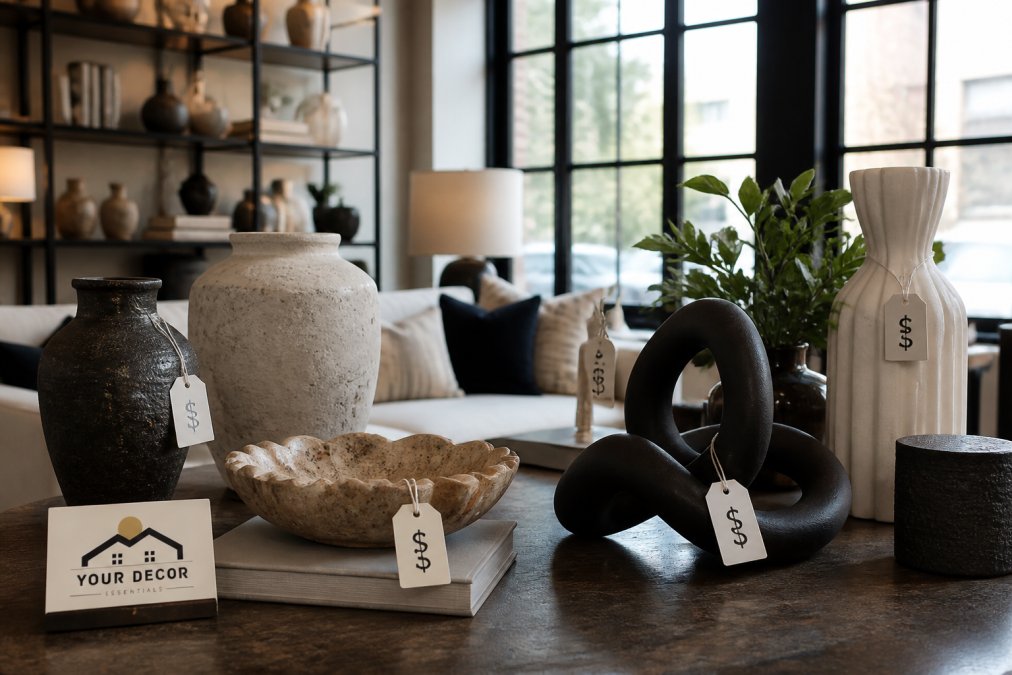
Curated home decor refers to thoughtfully selected pieces chosen for their individual quality, design integrity, and ability to work together as a cohesive collection rather than random assortment. Unlike mass-produced items stocked in bulk, curated pieces prioritize aesthetic cohesion and meaningful design over volume.
A curated approach means each piece serves a purpose, whether functional, visual, or emotional. Your Decor Essentials specializes in this philosophy, offering abstract sculptures and resin accents alongside functional lighting selected for how pieces interact with one another. When you choose curated items, you're investing in intentional design, not everything must match, but pieces share certain qualities: authentic materials, thoughtful craftsmanship, or a design narrative that connects them.
The real cost difference emerges because mass-produced decor aims for affordability through standardization, while curated pieces reject that formula. They're selected by someone with a design perspective, sourced from artisans or small producers, and often limited in quantity. This scarcity and intentionality drive the premium you pay.
The Craftsmanship Factor: Why Handmade Pieces Command Premium Pricing
Handmade and artisan-produced pieces cost substantially more than factory alternatives because labor cannot be automated or scaled infinitely. When a sculptor spends 20 hours creating an abstract piece or a resin artist hand-pours each accent, quality control is personal, not algorithmic.
This matters for durability and uniqueness. Handmade items often improve with age, wood develops patina, resin gains character, while factory pieces degrade predictably because they're engineered for a specific lifespan. A mass-produced lighting fixture goes through injection molding: design once, produce thousands identically. A bespoke lighting piece involves custom metalwork, hand-finishing, and adjustments for specific dimensions. The artisan's expertise gets embedded in the final product.
The handmade premium also reflects the economics of small-batch production. A factory producing 10,000 identical lamps spreads tooling costs across all units. An artisan producing 50 custom pieces absorbs those costs across far fewer sales, making per-unit cost inevitably higher.
Mass-Produced vs. Handmade Home Decor: Where the Cost Difference Lies
The cost gap between mass-produced and handmade home decor comes down to four structural differences: labor intensity, material quality, production volume, and design intentionality.
Labor intensity is the most obvious factor. A handmade abstract sculpture requires direct artisan time with no shortcuts, while a mass-produced equivalent is designed for speed with simplified geometry and minimal finishing. Material quality compounds the difference, artisan producers source premium materials because quality directly affects their reputation, while factories use lower-grade materials to hit price targets. Production volume creates a mathematical advantage for factories through amortized tooling costs and bulk discounts, but this only works with standardization. Design intentionality separates curated pieces from commodity decor, a curated collection is designed by someone with a perspective, choosing pieces that work together and tell a story.
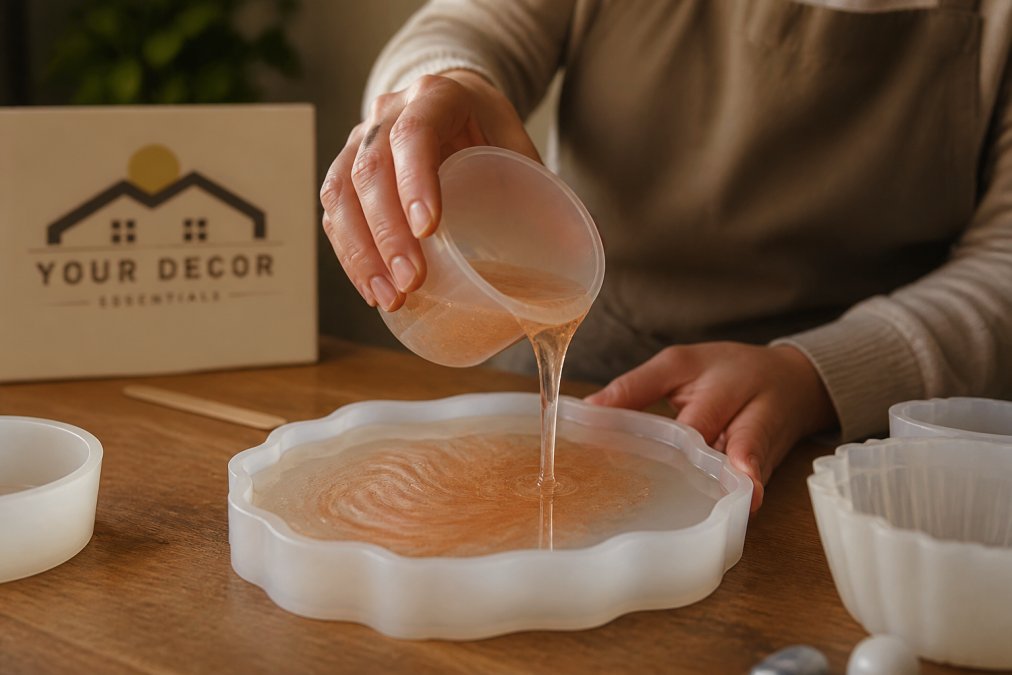
The cost difference reflects these structural realities. You're not paying for a fancy label; you're paying for labor, material quality, limited production, and design expertise bundled together.
Design Intention and Aesthetic Cohesion in Curated Collections
Intentional design is the invisible force that makes a curated home actually work. It's why a room with fewer, carefully chosen pieces feels sophisticated while a room packed with bargains feels chaotic.
Design intention means each piece was selected to serve a specific role in the overall narrative. Your Decor Essentials curates collections around this principle, abstract sculptures aren't just visually interesting shapes, they're chosen to create focal points and visual rhythm. Functional lighting isn't just brightness; it's selected to enhance the room's proportions and mood.
Aesthetic cohesion emerges when pieces share certain qualities without being identical. They might share a color palette, a material language, or a design era. When you walk into a space with curated decor, your brain registers that someone cared about how things fit together. Visual clutter disappears, replaced by spatial harmony.
Mass-produced decor rarely achieves this because it's designed for individual purchase, not collection. When you buy three items from three different sources, they're unlikely to work together visually. Curated collections solve this problem by pre-selecting pieces to work together.
The Supply Chain and Sourcing Behind Curated Home Decor
The supply chain for curated decor operates fundamentally differently than mass production. Mass-produced decor follows a standardized path: design in one country, manufacture in another, bulk shipping to distribution centers, then retail. Speed and volume drive every decision.
Curated decor supply chains are more complex and intentional. Sourcing often means working directly with artisans, small workshops, or specialty producers. An abstract sculpture might come from a studio known for that craft; resin accents from an artist who hand-pours each piece; functional lighting from a designer-maker producing limited runs.
This direct sourcing creates several cost implications. You're buying in smaller quantities, so per-unit costs are higher. You're often paying for the artisan's expertise and reputation, not just materials and labor. There's less standardization, which means more quality control work and sometimes custom adjustments.
The supply chain also reflects sustainability and ethical sourcing decisions that curated producers increasingly prioritize. A curated piece often involves sourcing decisions based on material quality, artisan working conditions, and environmental impact. Inventory management differs too, curated sources often work on limited inventory, sometimes producing to order, which reduces waste but increases lead times and costs.
Investment Value: Why Curated Pieces Hold Their Worth
This is where the long-term economics of curated decor become clear: these pieces actually cost less over time because they hold their value.
A mass-produced item depreciates rapidly because it's designed for replacement cycles. After three years, it shows visible wear; after five years, it's outdated or broken. A curated piece, especially one made with quality materials and intentional design, often appreciates or at least holds its value. Vintage furniture regularly sells for more than its original price. Artisan sculptures become more valuable as the artist's reputation grows.
This value retention reflects several factors. Curated pieces are often timeless in design, not tied to fast-fashion trends. They're made to last, a hand-poured resin sculpture with quality epoxy won't degrade; a well-crafted wooden accent piece improves with age. They're often limited in quantity, which creates scarcity value.
Consider the math over a decade. A mass-produced lamp needs replacement every 3-4 years, costing three times the original amount. A curated lamp costs more initially but lasts 10+ years and retains 60-70% of its value. The long-term cost per year of use is actually lower.
Unique Home Decor for Housewarming Gifts: Quality Over Quantity
When choosing unique home decor for housewarming gifts, the curated approach delivers far more impact than buying multiple mass-produced items.
A housewarming gift should help someone feel at home in a new space. A single, thoughtfully chosen curated piece accomplishes this better than five generic items. An abstract sculpture or hand-poured resin accent becomes a focal point, something the recipient notices daily and appreciates. It signals that someone cared enough to choose something specific.
Your Decor Essentials's focus on curated selections is particularly relevant for gift-giving. A unique abstract sculpture or designer lighting fixture becomes a conversation piece reflecting the giver's taste and thoughtfulness. A new homeowner furnishing their space benefits from a single high-quality, beautifully designed curated piece that anchors the aesthetic and gives them something to build around.
Curated pieces also work across different design styles. A well-chosen abstract sculpture complements minimalist, maximalist, traditional, and contemporary spaces. The gift-giving context highlights why curated pieces cost more, you're giving something that will be part of someone's home for years, making higher-quality selections worth the investment.
How to Style a Curated Home on a Budget: Strategic Selection
Building a curated home doesn't require unlimited spending. It requires strategic thinking about which pieces matter most and where to invest versus where to economize.
Invest heavily in pieces that anchor your space visually and functionally, your focal points, the abstract sculpture that draws the eye, the functional lighting that sets the mood. Economize on supporting pieces that fill space but don't drive the visual narrative.
Here's a practical framework:
-
Define your design narrative first. Spend time understanding what aesthetic you actually want. Look at spaces you love and identify recurring colors, materials, and styles. This clarity prevents impulse purchases that don't fit together.
-
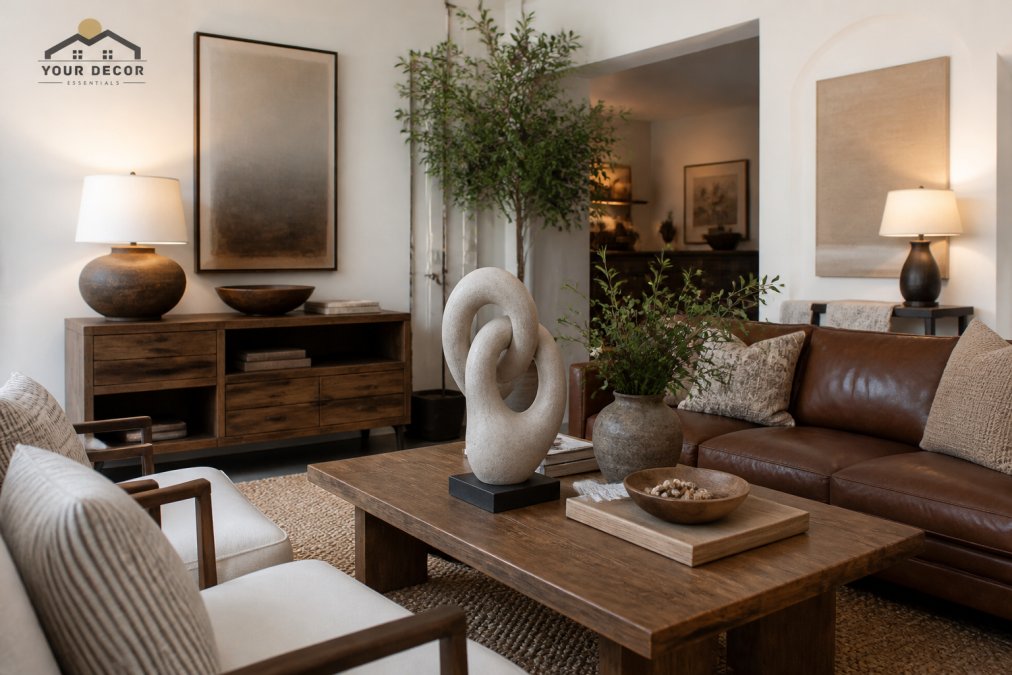
Identify your anchor pieces. These are typically 2-4 items per room that define the space. In a living room, this might be a sculptural lighting fixture and an abstract artwork. These deserve your budget because you'll see and experience them daily.
-
Source anchor pieces from curated collections. Your Decor Essentials's approach matters here, a curated selection of abstract sculptures and designer lighting gives you pieces already vetted for quality and aesthetic intention.
-
Fill supporting spaces strategically. Once anchor pieces are in place, supporting items can be more budget-conscious. A simple side table, basic shelving, or affordable textiles work fine because they support the visual narrative your anchor pieces establish.
-
Choose materials that age well. Even on a budget, prioritize pieces made from materials that improve with time. Natural wood, quality metals, and durable ceramics cost a bit more initially but look better over years.
-
Buy less, choose better. Ten carefully chosen pieces that work together cost less than thirty random items and create a far superior space.
-
Thrift strategically for supporting pieces. Vintage markets and secondhand sources often have quality pieces at low cost. The key is selecting items that fit your aesthetic narrative.
The Cost of Time: Why Curation Expertise Adds Value
Curation requires expertise, and expertise costs money. Choosing pieces that work together, understanding spatial harmony, knowing which materials will last, and recognizing design quality are skills developed over time.
A professional curator has spent years learning which pieces work together and what creates lasting aesthetic appeal. When you buy from a curated source like Your Decor Essentials, you're paying for that expertise embedded in the selection.
This expertise saves you time and prevents costly mistakes. Without it, you might spend hours researching pieces, second-guessing choices, or buying items that don't work together. Professional curation also reflects market knowledge, curators understand which artisans make quality pieces, which materials are worth the premium, and which design trends will feel timeless versus dated.
When you buy curated pieces, you're outsourcing the research, decision-making, and quality-control work to someone who specializes in it. That's why it costs more, you're paying for their time, expertise, and market knowledge.
Conclusion
Curated home decor costs more because it represents a fundamentally different approach to furnishing your space. It's the difference between buying objects and building a home with intentional design, quality materials, and pieces that work together as a cohesive collection.
The premium reflects craftsmanship, limited production, design expertise, and materials chosen for longevity rather than cost. Over time, curated pieces often cost less than mass-produced alternatives because they hold their value and don't require constant replacement.
At Your Decor Essentials, we understand this philosophy deeply. Our curated selection of abstract sculptures, resin accents, and functional lighting is chosen specifically to help you create a home that feels intentional and distinctive. Each piece is selected for its design integrity and how it works with others in a collection. When you shop with us, you're not just buying decor, you're investing in pieces that will enhance your space for years to come.
Shop Now and discover how curated pieces can transform your home into a space that truly reflects your individual style and aesthetic vision.
Frequently Asked Questions
What makes curated home decor worth the higher price point?
Curated home decor costs more because it reflects intentional design, superior craftsmanship, and lasting value. Unlike mass-produced items made for rapid turnover, curated pieces are selected for aesthetic cohesion, authentic materials, and design longevity. They hold their value better, integrate seamlessly into your space, and reduce the need for constant replacement, making them a genuine investment rather than an expense.
How is handmade home decor different from mass-produced alternatives?
Handmade pieces involve skilled artisans creating each item individually, allowing for unique variations, superior quality control, and authentic materials. Mass-produced decor prioritizes volume and cost reduction, often using cheaper materials and standardized processes. Handmade items develop character over time, resist planned obsolescence, and support sustainable design practices, qualities reflected in their pricing.
Can you style a curated home on a budget?
Yes. Strategic curation on a budget means investing in fewer, higher-quality anchor pieces, like a statement lighting fixture or abstract sculpture, and supplementing with thoughtfully selected secondary items. Focus on pieces with timeless style and authentic materials rather than trendy items. Mixing vintage treasures with new curated finds, prioritizing functional beauty, and building your collection gradually allows you to create meaningful interiors without overspending.
Why do unique home decor pieces hold their value better than cheaper alternatives?
Curated, unique pieces hold value because they embody heirloom quality, design integrity, and timeless appeal. They resist becoming dated because they're chosen for aesthetic merit rather than trend-chasing. Handmade and artisan items develop patina and character that increases their appeal over time. Unlike disposable decor, quality curated pieces can be resold, repurposed, or passed down, making them a genuine asset rather than waste.
This article was written using GrandRanker
Frequently Asked Questions
What makes curated home decor worth the higher price point?
Curated home decor costs more because it reflects intentional design, superior craftsmanship, and lasting value. Unlike mass-produced items made for rapid turnover, curated pieces are selected for aesthetic cohesion, authentic materials, and design longevity. They hold their value better, integrate seamlessly into your space, and reduce the need for constant replacement—making them a genuine investment rather than an expense.
How is handmade home decor different from mass-produced alternatives?
Handmade pieces involve skilled artisans creating each item individually, allowing for unique variations, superior quality control, and authentic materials. Mass-produced decor prioritizes volume and cost reduction, often using cheaper materials and standardized processes. Handmade items develop character over time, resist planned obsolescence, and support sustainable design practices—qualities reflected in their pricing.
Can you style a curated home on a budget?
Yes. Strategic curation on a budget means investing in fewer, higher-quality anchor pieces—like a statement lighting fixture or abstract sculpture—and supplementing with thoughtfully selected secondary items. Focus on pieces with timeless style and authentic materials rather than trendy items. Mixing vintage treasures with new curated finds, prioritizing functional beauty, and building your collection gradually allows you to create meaningful interiors without overspending.
Why do unique home decor pieces hold their value better than cheaper alternatives?
Curated, unique pieces hold value because they embody heirloom quality, design integrity, and timeless appeal. They resist becoming dated because they're chosen for aesthetic merit rather than trend-chasing. Handmade and artisan items develop patina and character that increases their appeal over time. Unlike disposable decor, quality curated pieces can be resold, repurposed, or passed down—making them a genuine asset rather than waste.