 ultimate-guide
7 Ways Investment Home Decor Builds Long-Term Value
Last Updated: October 25, 2026
Quick Summary
Investment home decor builds long-term value by prioritizing quality materials, timeless design, and craftsmanship over impulse purchases. Pieces made with solid wood, natural fibers, and careful joinery last decades while adapting to evolving styles, delivering lower cost per use and greater satisfaction than trend-driven alternatives.
- Solid wood furniture with dovetail joints and hand-tied springs outperforms veneer and mass-market construction by decades.
- Timeless design with clean lines and neutral palettes works across style changes, while trend-driven pieces become dated quickly.
- Quality upholstered seating, dining tables, and bed frames deserve investment because daily use compounds their value over time.
- Cost per use favors higher-quality pieces: a $3,000 sofa lasting fifteen years costs less per day than an $800 sofa replaced every three years.
- Recognized design classics and limited-edition sculptural pieces can hold or appreciate in value, though most decor should be treated as lifestyle investments.
Table of Contents
- Why Investment Home Decor Matters More Than You Think
- Furniture Worth Investing In for Lasting Impact
- Quality Home Decor Materials That Stand the Test of Time
- Durability and Craftsmanship: The Foundation of Value
- Timeless Design Versus Trend-Driven Pieces
- Where to Splurge or Save When Decorating
- Home Decor That Holds Its Value Over Time
- Cost Per Use: Measuring Real Value Beyond Price
- Start Building Your Investment Decor Collection
- Frequently Asked Questions
Why Investment Home Decor Matters More Than You Think
The difference between a room that feels lived-in and one that feels intentional comes down to one thing: the pieces you choose to surround yourself with. At Your Decor Essentials, we've watched homeowners transform their spaces by shifting from impulse purchases to thoughtful, curated selections. Investment home decor isn't about spending the most, it's about spending on pieces that earn their place in your home year after year.
When you buy something just because it's on sale or matches your wall color, you're making a short-term decision. When you invest in home decor with real craftsmanship, quality materials, and timeless design, you're making a decision that compounds over time. The piece looks better after five years than it did after five months. It works with evolving styles instead of fighting them. And when life changes, a move, a redesign, a shift in taste, these pieces adapt rather than become clutter.
This guide explores seven ways investment home decor builds long-term value, from material choices to design philosophy to practical cost calculations. By the end, you'll understand exactly which pieces justify the upfront investment and how to spot them.
Furniture Worth Investing In for Lasting Impact
Not all furniture deserves your investment dollars. The pieces that do share a common trait: they solve a real problem in your daily life while looking good doing it.
Upholstered seating is the classic investment category. A quality sofa or armchair gets used hundreds of times per year. If it's poorly made, you'll feel that every single time you sit. If it's well-constructed, it becomes invisible, you just enjoy the comfort. The frame matters more than people realize. Solid wood joinery, eight-way hand-tied springs, and high-density foam all cost more upfront but translate to a piece that doesn't sag after three years.
Dining tables are another category where investment pays dividends. A solid wood table with proper joinery will outlast trends and family dinners. Veneer tables from mass-market retailers often delaminate or show wear within years. A real wood table develops character, small scratches and marks become part of its story rather than signs of failure.
Bedroom furniture, particularly bed frames and nightstands, benefits from investment-grade construction. These pieces support you literally and aesthetically every single day. Quality hardwood construction means no squeaking, no wobbling, no replacement needed when you rearrange your bedroom.
Storage pieces like dressers, cabinets, and shelving units anchor a room's functionality. Poorly made storage fails when you need it most: drawers stick, shelves sag, doors misalign. Investment-quality pieces handle real life, the weight of winter clothes, the daily opening and closing, the dust and humidity of actual living.
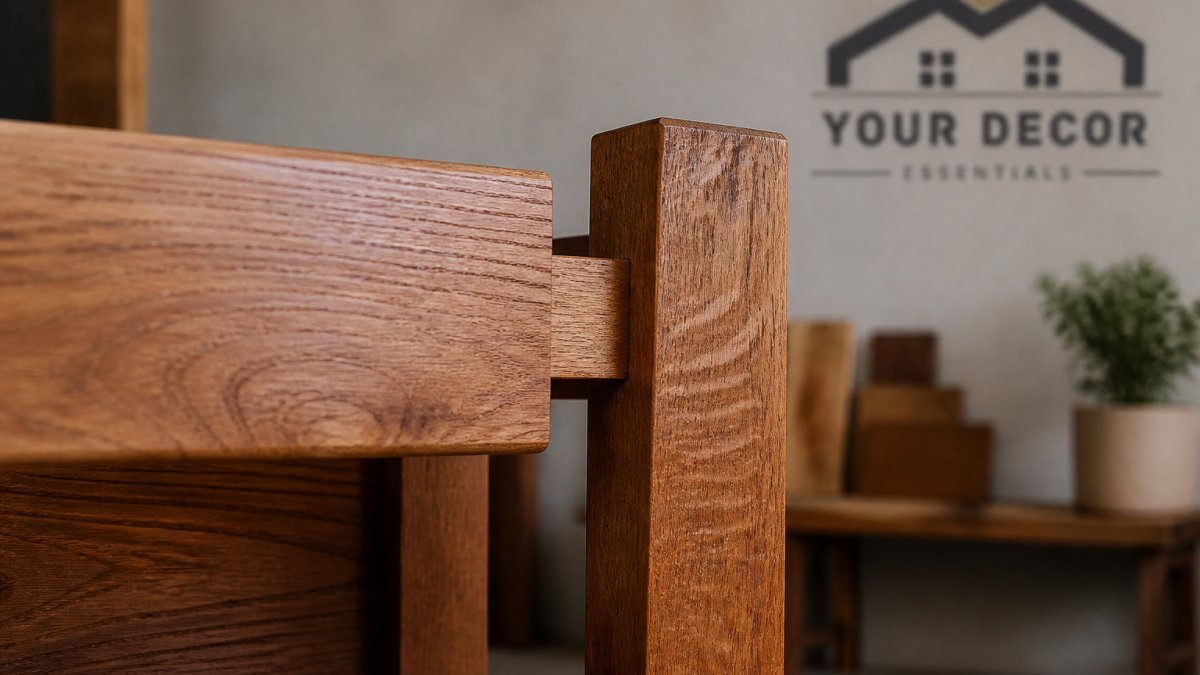
The pattern is clear: furniture you use constantly deserves investment. Pieces that sit decoratively can often be more affordable without consequence.
Quality Home Decor Materials That Stand the Test of Time
Material choice determines whether a piece lasts five years or fifty. Understanding materials transforms you from a buyer into an informed decision-maker.
Solid wood beats veneer in almost every scenario. Real wood can be refinished, repaired, and reupholstered. Veneer, once damaged, is often unrepairable. Hardwoods like walnut, oak, and cherry age beautifully. They develop patina, a natural darkening and character that actually increases appeal over time.
Upholstery fabric matters enormously. Natural fibers like linen and wool wear better than synthetics under regular use. They develop a soft lived-in quality rather than pilling or fading. Performance fabrics engineered for durability exist, but they often feel plastic-y and don't age gracefully. The best approach: natural fibers on pieces you don't use heavily, performance fabrics on high-traffic seating.
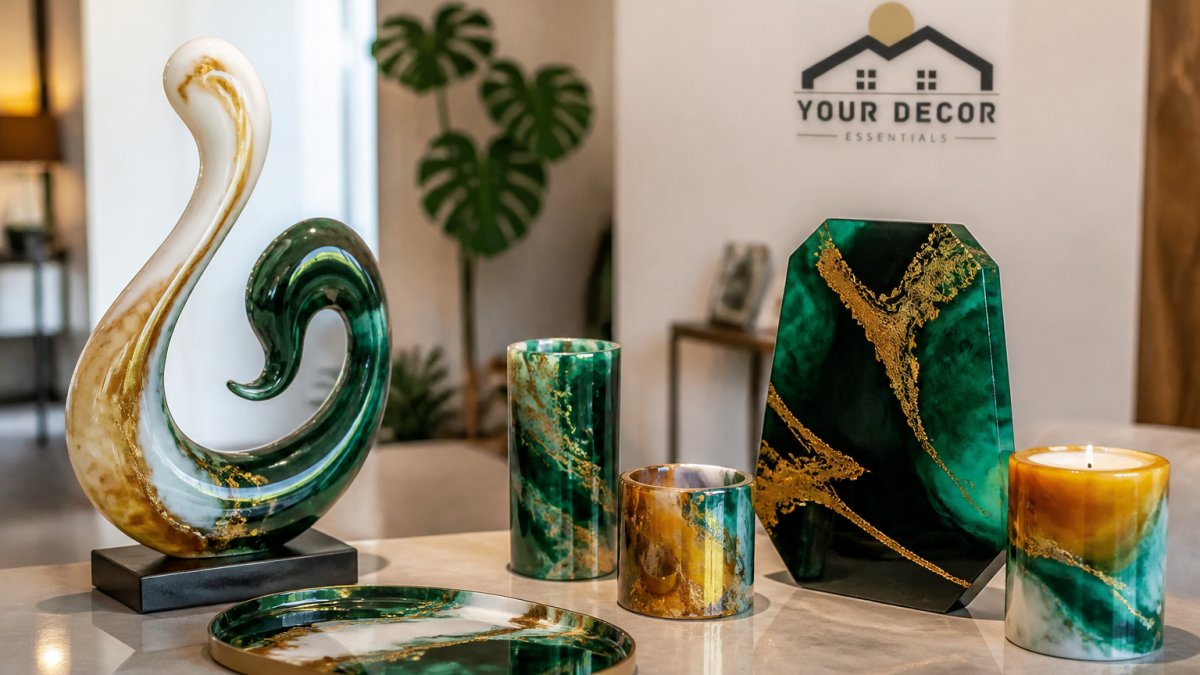
Resin accents and sculptural pieces from curated collections like those at Your Decor Essentials offer durability combined with artistic value. Quality resin doesn't yellow or crack like cheaper versions. The craftsmanship in casting determines whether a piece looks refined or mass-produced.
Metal hardware, hinges, handles, drawer pulls, seems minor until it fails. Solid brass or stainless steel lasts decades. Plated hardware flakes and corrodes. Check underneath drawer pulls; if you see base metal showing through plating, that's a sign of low quality.
Textiles deserve attention too. Throw pillows, curtains, and area rugs age differently based on fiber content and construction. Wool area rugs actually improve with age. Cotton and linen soften beautifully. Synthetic blends often pill and fade.
The material choice reflects the maker's commitment to longevity. When you see quality materials, you're seeing a maker who expects the piece to last.
Durability and Craftsmanship: The Foundation of Value
Durability and craftsmanship are intertwined. You can't have one without the other.
Craftsmanship shows up in details most people never think about. Dovetail joints in drawers are stronger and more beautiful than stapled corners. Hand-stitching on upholstery holds better than machine-stitching under stress. Mortise and tenon joinery in wood frames creates connections that actually get stronger over time as wood naturally settles.
These techniques take longer and cost more. That's precisely why they indicate value. A maker using dovetails isn't cutting corners; they're building something meant to last.
Durability testing happens in real homes over real time. A chair that feels solid in a showroom might wobble after a year of actual use. A sofa that looks pristine in photos might show wear patterns after six months. Investment-quality pieces are made by makers who've built hundreds of similar pieces and refined the design through real-world feedback.
Provenance matters more than many realize. Established makers with decades of reputation have skin in the game. A furniture brand that's been around for fifty years isn't taking shortcuts on joinery. Their reputation depends on pieces lasting. Newer makers might produce beautiful work, but they haven't yet proven durability across decades.
Look for signs of craftsmanship: hand-finishing on wood surfaces, careful attention to proportions, hardware that feels substantial. These details cost money but signal that the maker cared about the final product.
Timeless Design Versus Trend-Driven Pieces
Design trends move fast. Timeless design moves slowly or not at all.
Timeless pieces share characteristics: clean lines, neutral color palettes, proportions that feel balanced rather than exaggerated, functionality that doesn't require explanation. A mid-century modern credenza looks as good today as it did in 1965. A piece covered in neon geometric patterns from 2015 looks dated now.
This doesn't mean boring. Timeless design can be bold. A striking abstract sculpture with sculptural presence transcends trends because it's not trying to be trendy. It's trying to be beautiful in a way that doesn't depend on what's currently fashionable.
Trend-driven pieces serve a purpose, they let you experiment affordably with color or style without major investment. But they shouldn't form the foundation of your home. The foundation should be timeless pieces that work with whatever comes next.
Consider tips for buying high quality decor online to help evaluate whether a piece has staying power. Ask yourself: will this look good when the trend passes? Can I imagine this in my home in ten years? If the answer is no, it's probably trend-driven.
Mix timeless foundation pieces with affordable trend-driven accents. Modular furniture offers adaptable options that work as your style evolves. Your investment home decor collection should anchor the room while trendy pieces provide flexibility and personality.
Where to Splurge or Save When Decorating
Strategic spending means investing heavily in some categories and being flexible in others.
Splurge on pieces you use constantly and see every day. Your bed, your sofa, your dining table, your everyday lighting, these deserve investment. You interact with them constantly. Quality compounds through use.
Save on pieces that are purely decorative or that you'll replace seasonally. Throw pillows, artwork, decorative objects, these can be affordable. They don't bear weight or stress. They can be swapped out without structural consequence.
Splurge on lighting that actually works. Poor lighting ruins a room regardless of furniture quality. Good lighting is invisible but essential. Functional lighting from quality makers deserves investment because it affects how you experience the entire space.
Save on trendy accent colors. Paint your walls an affordable trend color. Buy trendy throw pillows affordably. These can change without major expense when trends shift.
Splurge on storage that handles real life. Quality dressers, cabinets, and shelving solve actual problems. Poor storage creates frustration daily.
Save on decorative hardware and small accents unless they're visible and frequently touched. Hinges inside cabinets don't need to be investment-quality. Drawer pulls you touch daily do.
The principle: invest in what you use, save on what you replace. This approach maximizes value while keeping flexibility.
Home Decor That Holds Its Value Over Time
Most home decor depreciates like a car: you buy it, use it, and it is worth less when you sell. That is normal and fine. The value is in living with it, not in resale. But some pieces hold value surprisingly well, and understanding which categories do this, and why, changes how you think about investment.
The first distinction to make is between personal-use value and financial appreciation. Personal-use value is the enjoyment, comfort, and functionality you get from a piece over years. Financial appreciation is when a piece sells for more than you paid. Most decor should be treated as a lifestyle investment, not a guaranteed financial asset. A well-made sofa delivers enormous personal-use value even if its resale value is near zero. A collectible chair might appreciate, but only if you buy the right piece, keep it in good condition, and find the right buyer.
With that framing, here is how resale value tends to break down by category:
- Mass-market upholstery and case goods: Depreciate steeply. A sofa from a big-box retailer often resells for 10-20% of its original price, if it sells at all. The materials and construction do not justify refurbishment, and buyers know it.
- Mid-market solid wood furniture: Retain modest value, perhaps 30-50% of original price, especially if the maker is known and the piece is in good condition. Brands with a reputation for quality do better than unknown imports.
- Recognized design classics: Can hold or increase in value. Pieces by Florence Knoll, George Nelson, Charles and Ray Eames, and similar designers have active secondary markets. A Florence Knoll credenza from the 1950s often sells for more today than it did thirty years ago. A George Nelson pendant light is frequently more valuable now than when it was made. Appreciation happens because these pieces are recognized as design classics, production was limited, and the maker's reputation has grown.
- Art and sculptural pieces: Highly variable. A mass-produced resin object depreciates to near zero. A limited-edition sculptural piece from an established artist can hold value because collectors recognize the work. Condition, provenance, and artist reputation are the key drivers.
- Textiles, lighting, and decorative accents: Generally depreciate. Wool rugs and quality lighting may retain some value if the maker is known, but most decorative pieces are not resale assets.
What affects resale value most? Condition is paramount. Original hardware, original finish, and no structural repairs all help. Provenance matters: a piece with documentation, original tags, or a known history sells for more. Rarity and maker reputation drive collector demand. And timing matters: mid-century modern has been strong for years, but no category stays hot forever.
How to Verify Home Decor Quality Before You Buy provides a framework for assessing whether a piece has value-holding potential. Quality construction, known maker reputation, and timeless design are the three factors that most determine whether something holds value. Explore luxury home decor alternatives to compare investment-quality options across brands.
You do not need to chase collectibility. If you love a piece and it happens to be by a recognized designer, that is a bonus. The piece should work in your home first, collectibility second. For most buyers, the smarter approach is to accept that decor is a lifestyle investment, buy the best quality you can afford, and treat any resale value as upside rather than the goal.
Cost Per Use: Measuring Real Value Beyond Price
Price tag tells you what something costs. Cost per use tells you what it is actually worth. But cost per use is only one piece of a larger calculation: total cost of ownership. That calculation compares purchase price, expected lifespan, repair costs, and replacement frequency to show when a higher upfront cost can pay off.
Start with cost per use. A sofa that costs $3,000 and lasts fifteen years with daily use costs roughly $0.55 per day. A sofa that costs $800 and needs replacement after three years costs roughly $0.73 per day. The expensive sofa is actually cheaper per use. This works for any piece you use regularly: divide the cost by the number of days you will own and use it. A quality bed frame used every night for twenty years distributes cost across 7,300 uses. A cheap bed frame lasting three years distributes cost across only 1,095 uses.
But cost per use ignores repairs and replacement frequency. A more complete total-cost-of-ownership comparison looks like this:
| Factor | Lower-cost option | Higher-quality option |
|---|---|---|
| Purchase price | $800 | $3,000 |
| Expected lifespan | 3 years | 15 years |
| Repairs over lifespan | $200 (cushions, legs) | $150 (reupholstery once) |
| Replacements needed in 15 years | 4 | 0 |
| Total cost over 15 years | $3,400 | $3,150 |
| Cost per year | $227 | $210 |
These numbers are illustrative, but the pattern is common: a higher upfront cost can pay off when you factor in replacements and repairs. The key variables are how long the piece lasts, how often it needs repair, and how much replacement costs. For pieces you use daily, the math usually favors quality. For pieces you use occasionally, the math often favors affordability.
This framework also clarifies where to save. Decorative pieces you look at occasionally have high cost per use no matter the price, because you are not using them, you are just looking at them. These deserve affordable budgets.
To apply this to your own decisions, use a simple scoring tool. Rate each potential purchase from 1 to 5 on five factors:
- Use frequency: How often will you use or interact with this piece?
- Durability: How well will it hold up under that use?
- Repairability: Can it be repaired or reupholstered rather than replaced?
- Versatility: Will it work in different rooms or with changing styles?
- Budget fit: Does the upfront cost fit comfortably within your budget?
Add the scores. A piece scoring 20 or higher is a strong candidate for investment. A piece scoring 12 or lower is usually better bought affordably. This tool turns vague advice into a repeatable decision.
Consider is expensive home decor worth it to explore the value proposition more deeply. The question is not whether expensive is always better. The question is whether the piece earns its cost through years of use, low repair needs, and satisfaction.
Start Building Your Investment Decor Collection
Investment home decor is a philosophy, not a price point. It's about choosing pieces that work harder, last longer, and bring more satisfaction than impulse purchases ever could.
Start with fundamentals: quality seating, a solid dining table, a real bed frame. These pieces form the foundation. They should be made from quality materials with clear craftsmanship. They should be timeless enough to work with future changes in your style.
Layer in accent pieces thoughtfully. Add lighting that actually works. Choose storage that solves real problems. Include sculptural pieces or artistic accents that you genuinely love, these don't need to be expensive, but they should be intentional.
Your Decor Essentials specializes in curated home decor pieces designed to last and evolve with your space. From abstract sculptures to functional lighting to carefully selected furniture, our collection emphasizes quality, craftsmanship, and timeless design. We focus on pieces that work in real homes, not just showrooms.
Building an investment collection takes time. You don't need to buy everything at once. Each piece you add should earn its place through quality, function, or genuine aesthetic appeal. Over years, these intentional choices compound into a home that feels completely yours, a space that gets better with time rather than showing wear.
Frequently Asked Questions
What makes investment home decor different from regular decor?
Investment home decor prioritizes quality materials, solid construction, and timeless design over trend-driven aesthetics. These pieces are built to last decades, often improving in appearance with age. Regular decor focuses on current trends and lower price points, meaning it typically needs replacement every few years. Investment pieces combine functionality with aesthetic longevity, making them cost-effective over time.
Which furniture and decor styles are most likely to stay timeless?
Mid-century modern, contemporary minimalist, and classic transitional styles consistently hold their appeal across decades. Abstract sculptures and sculptural lighting with neutral tones remain relevant because they complement evolving interior trends rather than depend on them. Solid wood pieces with clean lines, quality upholstery in neutral fabrics, and functional lighting fixtures are less susceptible to looking dated than ornate or heavily patterned items.
How can you tell if a piece of home decor is well made?
Examine joinery on wooden furniture, look for dovetail joints or mortise-and-tenon construction rather than staples or nails. Check material weight and density; solid wood and quality resin should feel substantial. Inspect seams on upholstered pieces for tight, even stitching. Feel the finish; a smooth, durable coating indicates better craftsmanship. Research the maker's reputation and look for transparent information about materials and construction methods.
Can home decor increase a home's resale value?
Strategic investment pieces enhance perceived value during showings, but decor itself doesn't directly increase resale price. However, quality lighting, functional furniture arrangements, and well-maintained pieces create a positive first impression that supports higher asking prices. Personal taste in decor matters less than cleanliness and neutral styling. The real value of investment decor lies in personal enjoyment and durability rather than financial appreciation.
The real investment isn't in any single piece. It's in the approach: choosing thoughtfully, valuing quality, and building slowly. That's what transforms a house into a home that reflects who you are and what you love.