 How-to
Does Slow Interior Design Improve Mental Health?
Last Updated: November 16, 2026
Quick Summary
Slow interior design is the practice of changing your home gradually, one considered piece at a time, which can reduce stress and support better rest. Its calming effect comes from choosing pieces that suit how you actually live, not following trends.
- Warm, layered lighting supports evening calm and better sleep
- Make changes over months and test each piece in daily routine first
- Start with the bedroom, then the living room, for the biggest early gains
- Repair and rearrange existing pieces before buying anything new
- Keep a weekly note on mood and sleep to see which changes help
Table of Contents
- What Slow Interior Design Means and Why It Matters for Mental Health
- How Your Home Environment Shapes Stress, Mood and Sleep
- Calming Home Design Ideas That Support Everyday Well-Being
- Bringing Nature Indoors with Biophilic Interior Design
- The Psychology of Space in Interior Design
- A Room-by-Room Plan for Slow, Low-Cost Changes
- Intentional Home Decorating on a Budget and With Less Waste
- How to Notice Whether Your Changes Are Helping
- Starting Your Own Slow Design Plan This Week
- Frequently Asked Questions
What Slow Interior Design Means and Why It Matters for Mental Health
Slow interior design is the practice of changing your home gradually and on purpose, one considered piece at a time. Many first-time homeowners rush to fill a space, only to end up with rooms that feel busy and unsettled. Slowing down gives you room to choose pieces that actually suit how you live.
The idea is simple. Instead of a full makeover in a weekend, you make small decisions over months. Each addition is tested in the room before the next one arrives. That pace helps you notice how a change feels before you commit to the next.
Why does this matter for mental health? Your home is where you rest, recover, and reset. A space that feels cluttered or mismatched can add low-level stress that you may not notice day to day. A calmer, more intentional space gives you a better base for rest.
- Less rushing means fewer regret purchases
- Each piece gets a real trial in your daily routine
- You build a space that reflects your own taste, not a trend
Watch out: Going slow does not mean never finishing. Set a loose target, such as one room every quarter, so the process keeps moving.
How Your Home Environment Shapes Stress, Mood and Sleep
Your surroundings affect how you feel more than most people expect. Light, color, noise, and clutter all send signals to your brain throughout the day. Researchers in environmental psychology have studied these links for decades, though the strength of each effect varies from person to person.
Lighting is often the first place to look. Harsh overhead light can feel tiring in the evening, while warmer lamps at lower levels help many people wind down. Color also plays a part. Soft neutrals and muted greens are commonly described as calming, while very bright or high-contrast palettes can feel more energizing.
Sleep is closely tied to your bedroom. A cluttered room with bright screens and loud, uneven lighting makes it harder to switch off. A simple, quiet bedroom with a dimmable lamp and a clear surface tends to support better rest.
- Warm, layered lighting supports evening calm
- Muted colors can feel more restful than bold contrasts
- Fewer objects on surfaces can reduce visual noise
Calming Home Design Ideas That Support Everyday Well-Being
Many people find that a few simple choices make a room feel calmer. Start with the spaces you use most, like the living room or bedroom.
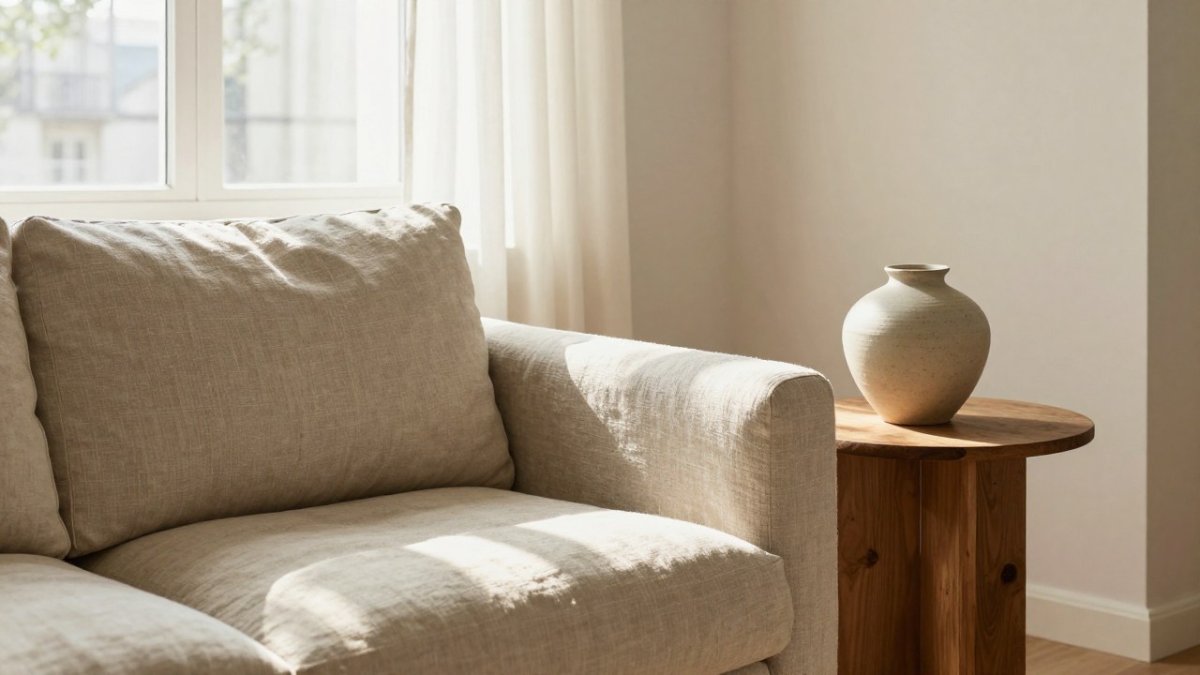
A living room with a comfortable sofa, a soft rug, and one or two textured accents often feels more inviting than a room full of small decor pieces. A single ceramic vase or woven basket can add warmth without crowding the space.
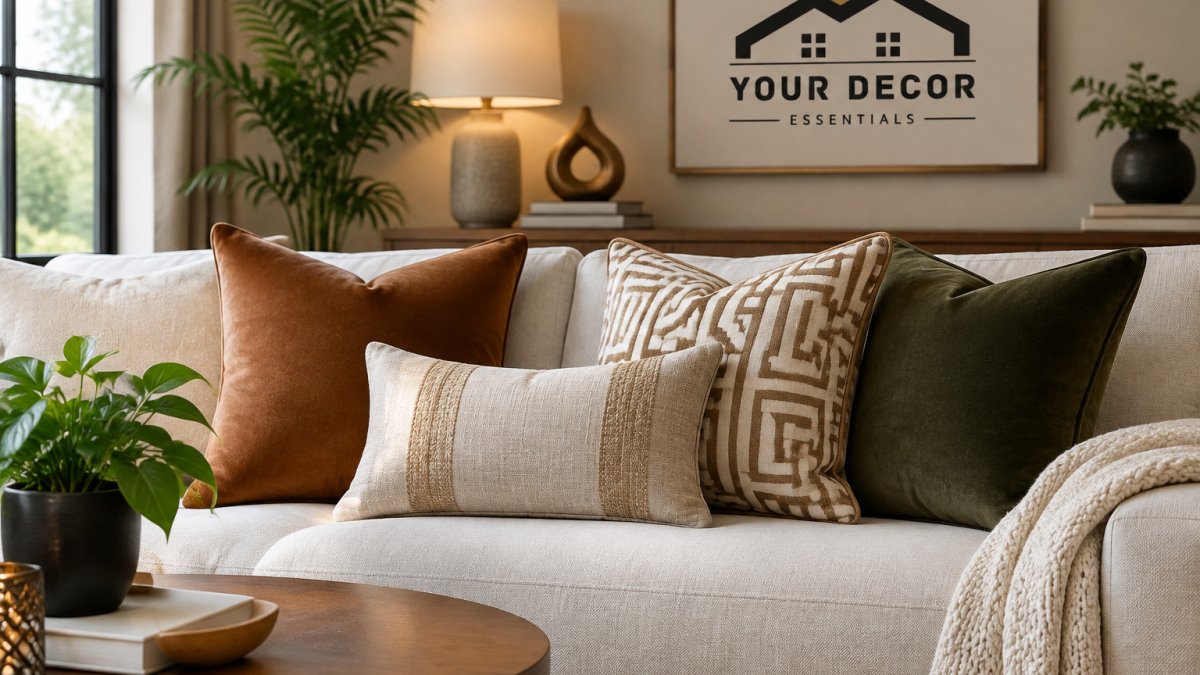
Choose soft, natural textures where you can. Linen, cotton, wool, and wood tend to feel comfortable to touch and look grounded. Smooth, cold surfaces can work too, but balance them with something warmer.
Here is a quick starting list:
- Pick one main color family and add two supporting tones
- Use warm bulbs in lamps instead of one bright ceiling light
- Keep one surface in each room clear for rest
- Add one soft textile, like a throw or cushion, to each seat
For a closer look at choosing a rug that suits a small room, read our guide on 5 Steps to Choosing the Right Area Rug for Small Spaces.
Bringing Nature Indoors with Biophilic Interior Design
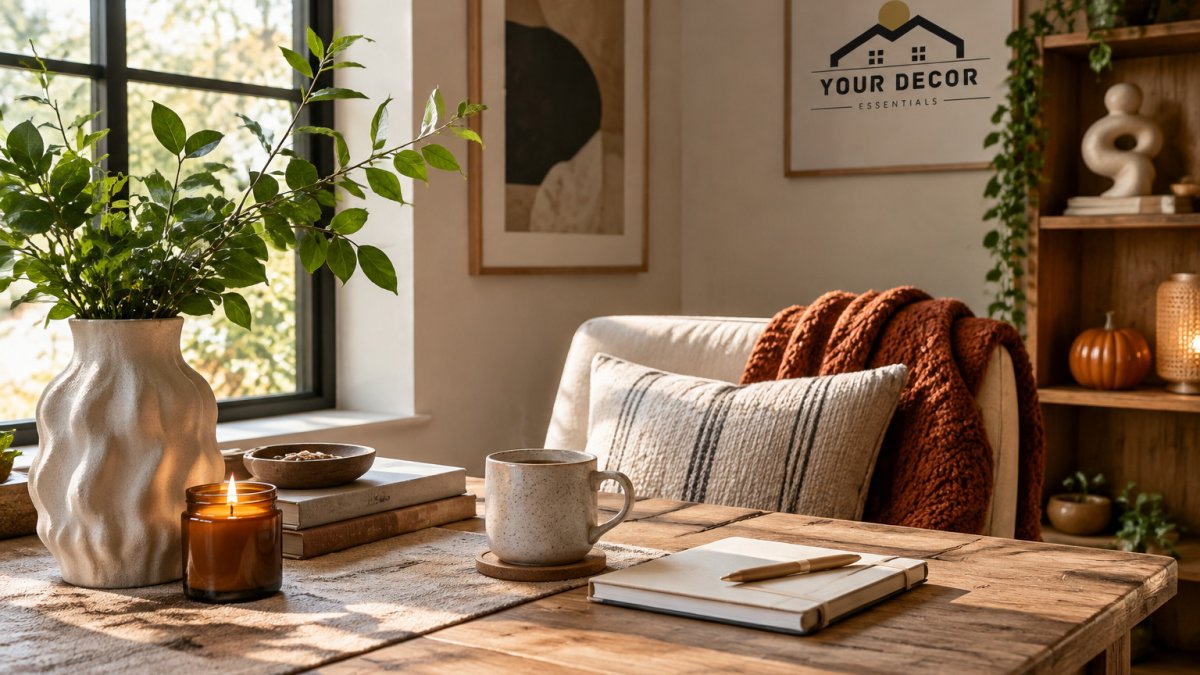
Biophilic design is the practice of bringing natural elements into your home. The idea is that regular contact with plants, natural materials, and natural light supports a sense of calm. Many homeowners find this approach easy to start because it works with what they already have.
Plants are a common choice. Even one or two low-maintenance plants on a windowsill can change how a room feels. Natural materials such as wood, stone, cotton, and clay also add a grounding quality to a space.
Light matters just as much as materials. Sheer curtains that let daylight through, and mirrors placed to reflect a window, can brighten a room without adding clutter.
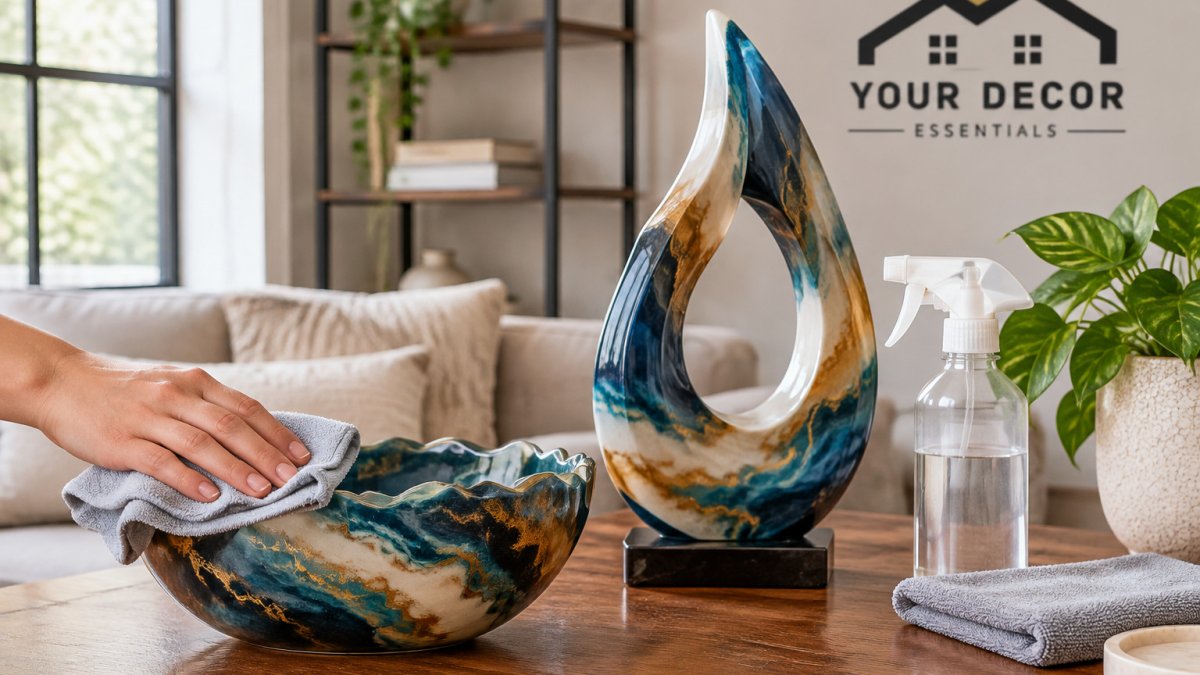
For a more sculptural nature theme, abstract shapes with organic forms can echo the look of leaves, branches, or stone. You can learn how to hang sculptural wall pieces well in our guide, 7 Steps to Arrange Three-Dimensional Wall Art Well.
- Start with one plant in a room you use daily
- Choose materials like wood, clay, and linen
- Let natural light in with sheer window treatments
The Psychology of Space in Interior Design
How a room is arranged can shape how you move through it and how you feel while you are in it. Psychologists who study space often point to ideas such as privacy, sense of control, and ease of movement. A well-planned room supports all three.
Start with the path through the room. Leave clear walkways between seating, tables, and doorways. When people have to squeeze past furniture, a room can feel tight even when it is not small. Pull seating into a conversation group rather than pushing everything to the walls.
Create zones for different activities. A reading corner with a lamp and a chair feels different from a dining area. Clear zones help a room feel purposeful and organized.
To tie the look together, read 9 Tips for Creating a Cohesive Interior Design Style, which covers how to unify a room's colors, shapes, and finishes.
- Keep main walkways at least 30 inches wide where possible
- Use rugs and lighting to mark separate zones
- Group seating so people can easily talk and move
A Room-by-Room Plan for Slow, Low-Cost Changes
Most slow-design advice stops at "start small." A workable plan sequences changes so each step builds on the last and you can stop at any point without leaving a room half-finished. The sequence below moves from the spaces that affect daily recovery to the transitional spaces that shape how you enter and leave home. Spend at least two to three weeks in each room before moving on, and treat every step as optional.
Bedroom first. Sleep is the most sensitive to environmental inputs, so start here. Remove or cover any light source that shines directly on the bed, including standby LEDs from electronics. Swap overhead bulbs for warm-white lamps (2700K-3000K) on dimmers if the fixture allows. Clear one nightstand completely and keep only what you use nightly. If noise is an issue, a thick rug or a heavy curtain can soften reflected sound. The goal is a room that signals rest the moment you walk in.
Living room second. Address lighting layers before furniture. A common pattern is one bright ceiling fixture doing all the work; add a floor lamp for ambient light and a table lamp for tasks, then use the ceiling light only when needed. Pull seating into a conversation group rather than pushing it against walls, and leave at least 30 inches for main walkways. Add one soft textile, a throw or a washable cushion cover, to each seat. If the room feels cluttered, clear one surface entirely and keep it that way for a week to test whether the emptiness feels calming or unfinished.
Workspace third. If you work from home, treat the desk area as a separate zone even within a shared room. Face the desk toward a wall or window rather than a busy doorway, and add a task lamp with a warm bulb. Keep the desk surface clear except for items used daily. A small plant or a single textured object can break up visual monotony without adding clutter.
Kitchen and dining fourth. These rooms are often overlooked because they are functional, but they shape daily routines. Clear counters as much as possible, store small appliances you use less than weekly. Add one warm light source over the dining table if you do not have one. A single wood or ceramic piece on a clear counter adds warmth without crowding.
Entryways and hallways last. These transitional spaces set the tone for arriving home and leaving for the day. A runner, a hook for keys and bags, and a small lamp can make the first and last steps of the day feel intentional. Keep the path clear; a narrow entry feels tighter than it is when bags and shoes accumulate.
Watch out: Do not buy furniture for a room before you have lived with the lighting and layout changes for at least two weeks. Most regret purchases happen when a piece is chosen to fill a gap that a cheaper adjustment, rearranging, removing, or relamping, would have solved.
For lamp placement in a main living area, see How Should You Arrange Living Room Lamps for Task Lighting?.
The article sequences changes room by room, with timing and specs for each step.
| Room | Order | Key change |
|---|---|---|
| Bedroom | First | Warm-white lamps (2700K-3000K) on dimmers |
| Living room | Second | Layer lighting; keep walkways 30 inches wide |
| Workspace | Third | Face desk toward a wall; add warm task lamp |
| Kitchen and dining | Fourth | Clear counters; add warm light over table |
| Entryways and hallways | Last | Runner, key hook and small lamp |
Intentional Home Decorating on a Budget and With Less Waste
Slow design is naturally budget-conscious because it replaces the buy-and-replace cycle with a repair-and-reuse one. The practical version of this is a phased purchasing plan: set a monthly or quarterly amount you are comfortable spending, list the changes you want in priority order, and buy only the top item when the period comes. This prevents the two most common budget leaks, impulse buys that do not fit the room and replacement purchases caused by buying cheap the first time.
Start with an inventory. Walk through each room and sort items into three groups: keep, repair, and release. Repair is the step most people skip. A wobbly chair, a lamp with a bad switch, or a cushion with a split seam can often be fixed for less than a replacement costs, and repaired pieces tend to stay in use longer because you have already invested attention in them. Release items you have not used in a year through donation or resale; the goal is not to empty the room but to stop storing things that add visual weight without serving a purpose.
Before buying anything new, move existing pieces between rooms. A lamp that feels wrong in a bedroom may be right in a living room; a rug that is too small for one space may define a zone in another. This step costs nothing and often resolves the problem that prompted the purchase in the first place.
When you do buy, favor materials that age well and shapes that do not date quickly. Solid wood, wool, linen, and cotton tend to outlast particleboard and synthetic blends, and neutral or classic forms adapt as your taste changes. A useful test is to ask whether you would still want the piece in five years if your style shifted; if not, it is a trend purchase, and slow design treats those as optional rather than urgent.
Secondhand and vintage sources fit slow design well because they extend the life of existing furniture and often cost less than new equivalents. Check condition carefully, structural joints, upholstery wear, and hardware, and factor in the cost of any repair before committing. For textiles, washable covers and throws are lower-risk than upholstered pieces because they are easier to clean and replace.
Small, high-impact additions are the safest way to test a direction: a throw, a cushion cover, a single framed print, or a new lampshade. These cost less, are easy to swap, and let you live with a change before committing to a larger purchase.
Watch out: Do not treat "buy fewer, better pieces" as permission to overspend on a single item before you have tested the room's lighting and layout. A well-made piece in the wrong place is still a waste; confirm the placement works with cheaper changes first.
- Shop your own home and repair before replacing
- Set a spending amount per period and buy only the top priority
- Choose materials and shapes that age well
- Test direction with small, swappable additions
How to Notice Whether Your Changes Are Helping
It helps to check in on how a change affects you. Keep a short note each week that records your mood, sleep, and how the room feels to you.
Ask yourself a few simple questions. Do you feel more relaxed when you walk into the room? Do you sleep more easily? Do you use the space more often? Write down the answers in a few words.
Be honest about the limits here. Design can support well-being, but it does not replace medical care, therapy, or a doctor's advice. If stress, low mood, or poor sleep continue, talk with a healthcare provider.
Also note what you dislike. A change that feels wrong is useful information. Undo it and try something else.
- Write a one-line note each week about your space and mood
- Compare notes after one month
- Keep the changes that help and reverse the rest
Starting Your Own Slow Design Plan This Week
You can start small today. Pick one room, clear one surface, and add one warm light source. Live with that change for a week, then notice how it feels.
Next, choose one piece that fits how you use the room. Take your time with it. Your home does not need to be finished to be better than it was.
Ready to begin? Browse the Your Decor Essentials collection to find one thoughtful piece for your next step. Start with a single statement piece or a functional lamp and let your space grow at a comfortable pace.
Frequently Asked Questions
Is slow interior design a proven way to improve mental health?
Research on environmental psychology suggests that lighting, order, natural materials and visual calm can influence stress and mood, but the evidence for specific design changes is still limited and mostly small in scope. Slow interior design is best treated as a practical way to create a home that supports rest and focus, not as a medical treatment. If you feel persistently anxious or low, speak with a qualified health professional. Use the changes described here as a supplement to, not a substitute for, professional care.
How do I start slow interior design without spending a lot?
Begin with one room and one change at a time. Clear surfaces, adjust lamp placement to replace harsh overhead light, add a plant you can maintain, and remove items that you no longer use or like. Many of these steps cost little or nothing. Spend money only after you have lived with a change for several weeks and confirmed that it helps your daily routine. This gradual pace is the core of the approach.
Can plants and natural light really change how a room feels?
Natural light and plants are two of the most commonly discussed elements in biophilic interior design. Daylight can support regular daily rhythms, and greenery can make a room feel more settled. Individual responses vary, so treat these as likely contributors to comfort rather than guaranteed results. Position seating near a window where possible, and choose plants suited to the light your room actually receives.
How will I know if my home changes are improving my well-being?
Keep a short weekly note for four to six weeks. Record how rested you feel, how easily you settle in the evening, how often you feel cluttered or distracted, and how you use each room. Compare entries before and after each change. Patterns across several weeks are more useful than a single good or bad day. If a change does not help, return to the previous setup or try a different approach.